What do ancient Greek hero Odysseus and modern vigilante Batman reveal about the evolving nature of heroism across cultures? This analysis uncovers how these iconic figures embody timeless archetypes—intelligence, resilience, and moral complexity—that reflect society’s deepest fears and aspirations. Odysseus’s cunning and endurance symbolize a culture valuing wisdom and perseverance, reassuring that mastery over divine chaos is achievable through virtue. Conversely, Batman’s moral ambiguity and vigilante justice mirror contemporary anxieties about societal decay and systemic evil, embodying hope that individual resolve can restore order. Exploring their stories exposes how hero archetypes adapt to cultural shifts, serving as mirrors of collective consciousness. Why do these archetypes endure and resonate across generations? Because, ultimately, they reveal universal truths about human ambition, moral resilience, and the ongoing struggle to confront chaos—whether divine, natural, or societal—with courage and ingenuity.

Unveiling Heroism: Odysseus and Batman as Timeless Archetypes
Heroism is a concept that resonates across cultures and eras, capturing our collective imagination through stories of bravery, resilience, and moral strength. At its core, heroism reflects the values and fears of the societies that create these figures. From ancient myths to modern comics, heroes serve as mirrors—embodying what we admire or aspire to be and confronting the anxieties that come with human existence.
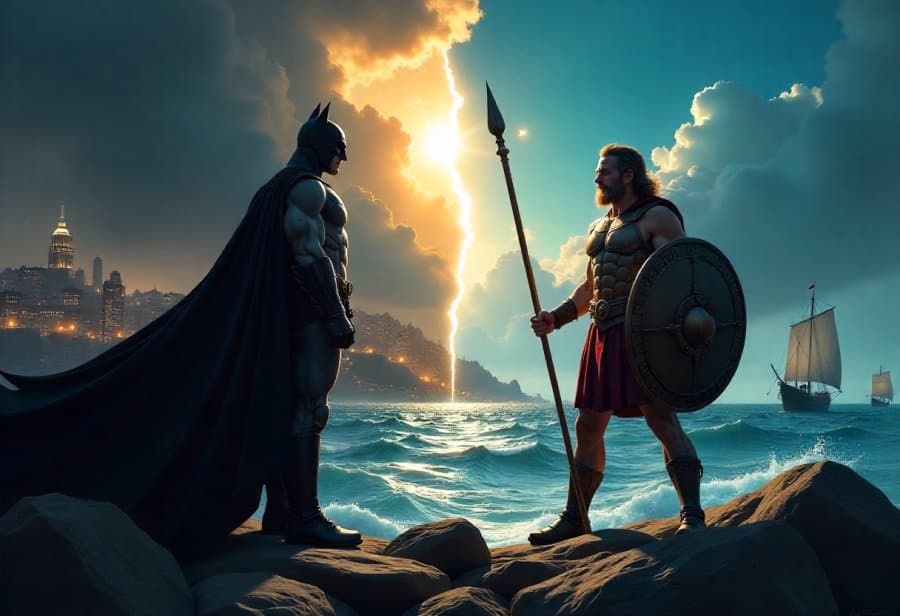
Two iconic examples—Odysseus, the clever king from Greek legend, and Batman, the brooding vigilante of Gotham—illustrate how hero archetypes evolve while remaining rooted in universal human themes. Odysseus embodies ancient Greek ideals of cunning, resilience, and honor—traits that mirror a culture valuing wisdom and strategic thinking. Meanwhile, Batman reflects modern concerns about justice, moral ambiguity, and the darker aspects of human nature, shaped by contemporary fears of chaos and corruption.
Comparing these two heroes reveals how societal values influence their stories. Odysseus’s cleverness and perseverance symbolize a culture that prizes intelligence and moral virtue. In contrast, Batman’s moral complexity and vigilante justice highlight a society preoccupied with order and the struggle to maintain moral clarity amid systemic decay. Despite their differences, both characters serve as representations of their times, embodying traits that inspire hope and resilience within their respective cultural contexts.
Their stories are more than entertainment; they are reflections of collective aspirations and anxieties. Odysseus’s resourcefulness reassures ancient Greeks that mastery over divine and natural chaos is possible through wit and virtue. Batman’s resilience and moral resolve, on the other hand, embody modern hopes that individual moral strength can confront societal darkness. These archetypes help societies process fears, reinforce values, and offer models for resilience, showing how heroism adapts to evolving cultural landscapes.
Ultimately, hero stories like those of Odysseus and Batman reveal enduring truths about human ambition and struggle. They highlight that heroism isn’t just about physical strength but also mental resilience, strategic thinking, and moral resolve. These figures continue to inspire because they embody the universal human desire to overcome adversity—whether divine, natural, or societal—with courage, ingenuity, and hope.
Foundations of Heroism: Morality, Values, and Societal Reflections
Heroism isn’t just about bravery or heroic deeds; it’s deeply rooted in the values and morals that define a society. At its core, hero archetypes act as mirrors, reflecting what cultures admire, fear, and aspire to. For example, Odysseus embodies traits like cunning, resilience, and honor—qualities that were highly prized in ancient Greece. These characters often depend on intelligence and resourcefulness as much as strength, highlighting that mental agility is crucial for overcoming adversity.
As societies evolve, so do their ideas of heroism. In ancient Greece, heroism centered on cleverness and virtue, with stories celebrating wit and perseverance in the face of divine and natural chaos. Today, heroes like Batman embody modern concerns about justice, moral ambiguity, and societal decay. His stories explore a world where morality is complex, and heroism involves navigating gray areas rather than following a straightforward code.
Resilience is a defining trait shared by many heroes. Odysseus endures a decade of perilous adventures, battling gods, monsters, and temptations, yet he remains committed to his goal. Batman’s resilience is equally remarkable—recovering from injuries, personal losses, and moral setbacks to keep fighting Gotham’s darkness. Their stories demonstrate that resilience is not just physical endurance but also mental toughness and unwavering dedication to their missions.
Morality shapes how heroes make decisions and act. Odysseus operates within a code of honor, often bending rules but driven by loyalty and virtue. His cunning is motivated by duty and respect for the gods. Batman’s moral landscape is more complex; operating outside the law, he questions what’s right and wrong, reflecting modern concerns about justice and systemic corruption. This moral ambiguity reveals much about the societies that shape these characters.
Hero stories also mirror societal fears and hopes. Odysseus’s cleverness and resilience reassure ancient Greeks that mastery over divine and natural chaos is achievable through wisdom. Conversely, Batman’s vigilante stance embodies fears of societal collapse but also offers hope—that individual moral resolve and strategic resilience can restore order. These stories serve as cultural responses to ongoing anxieties and aspirations, reinforcing core values and inspiring resilience.
The evolution of hero archetypes shows how stories adapt to cultural shifts. Greek heroes emphasized mastery over divine forces, valuing wisdom and perseverance. Modern heroes grapple with moral complexity and systemic evil, focusing on moral resilience and individual responsibility. Despite these differences, the core qualities—resilience, intelligence, and moral resolve—remain central, connecting different eras and societies. Understanding these core ideas reveals why hero stories endure and how they continue to inspire across generations.

Odysseus and Batman: A Comparative Journey Through Courage and Morality
Odysseus and Batman, though separated by millennia and vastly different worlds, share core traits that highlight what makes a hero truly timeless. Both rely heavily on intelligence and strategic thinking to overcome their challenges. Odysseus’s legendary cunning, seen in his Trojan Horse deception, depends on wit rather than brute strength. Similarly, Batman’s detective skills and technological resources enable him to outthink Gotham’s villains. Their ability to adapt under pressure and employ mental agility underscores that cleverness and strategic planning are as vital as physical prowess in heroism.
Resilience is another defining trait linking these figures. Odysseus endures a decade of perilous adventures, battling divine wrath, monsters, and temptation, yet remains unwavering in his goal to return home. Batman’s resilience is equally remarkable—recovering from injuries, personal losses, and moral setbacks, he keeps fighting Gotham’s darkness. These stories demonstrate that resilience extends beyond physical endurance; mental toughness and unwavering resolve are essential. Both heroes exemplify the idea that perseverance in adversity requires adaptability and strength of character, no matter the era.
Despite their similarities, their moral frameworks reveal crucial differences. Odysseus operates within a strict code of honor, often bending rules but driven by loyalty, virtue, and respect for the gods. His cunning serves a sense of duty and societal expectation rooted in ancient Greek ideals. Batman, on the other hand, navigates a morally complex landscape. Operating outside the law and questioning what is right, he embodies modern concerns about justice and systemic corruption. His moral ambiguity reflects a society that values individual responsibility but recognizes that heroism often involves difficult ethical choices.
Culturally, these traits mirror the values of their respective worlds. Odysseus’s cleverness and endurance align with ancient Greek ideals emphasizing wisdom, perseverance, and mastery over divine chaos. Batman’s moral complexity and vigilante justice resonate with modern fears of societal decay and moral ambiguity. Their stories reveal how societal fears and hopes shape hero archetypes—whether emphasizing mastery over divine forces or confronting internal and external chaos. These characters are mirrors, reflecting collective anxieties and aspirations across ages.
In the end, Odysseus and Batman embody the archetype of the clever, resilient hero navigating a complex moral landscape. Their stories remind us that heroism isn’t solely about strength but also about mental resilience, strategic insight, and moral clarity. These figures serve as enduring symbols—representing cultural ideals and collective struggles—that inspire resilience and hope. Their differences highlight how societal values influence hero stories, yet the core qualities of human ambition and perseverance remain universal and timeless.
Understanding the nuanced differences between these heroes also offers insight into how cultural contexts shape our perceptions of heroism. For a deeper exploration of their shared and divergent traits, you can read a detailed comparative analysis of Odysseus and Batman’s heroism traits.
Societal Fears and Hopes Shaping Hero Archetypes Across Ages
Heroes are more than just characters in stories; they are reflections of the societies that create them, shaped by collective fears and hopes. Odysseus, for instance, embodies Greek values—cunning, resilience, and reverence for divine forces. His ability to navigate divine wrath and monstrous threats reassures that wisdom and perseverance can master chaos, reinforcing societal ideals of mental agility and moral virtue. These stories provided ancient Greeks with a sense of control over the unpredictable forces of their world, offering comfort through the belief that human ingenuity could triumph over divine and natural chaos.
In contrast, modern heroes like Batman mirror contemporary anxieties about societal decay, corruption, and moral ambiguity. His vigilante persona, operating outside the law, captures fears that chaos and moral collapse threaten social order. Yet, Batman also symbolizes hope—the idea that individual moral resolve, strategic resilience, and personal responsibility can confront systemic evil. His stories resonate because they explore the tension between justice and law, emphasizing that heroism today involves navigating complex ethical landscapes and making difficult choices to restore balance.
Hero archetypes serve as cultural mirrors, revealing what societies most fear and aspire to. Odysseus’s resourcefulness reassures us that intelligence and resilience can overcome divine and natural chaos, embodying collective trust in wisdom and endurance. Meanwhile, Batman’s vigilante stance highlights a hope that moral strength and strategic thinking can challenge the darker sides of society, inspiring resilience amid uncertainty. These stories act as moral guides, helping communities process their anxieties and reinforcing shared values—whether mastery over divine forces or the pursuit of justice in a morally gray world.
As societies evolve, so do their hero archetypes. Ancient Greek heroes emphasized mastery over divine and natural forces, showcasing virtues like wit and perseverance. Today’s heroes grapple with internal and external chaos—highlighting moral resilience and personal responsibility. Despite these shifts, the core qualities of heroism—resilience, intelligence, and moral resolve—remain consistent, adapting their expressions to fit the prevailing fears and hopes of each era. This ongoing evolution underscores how hero stories are dynamic tools for cultural reflection and identity.
By examining these shifts, we see that hero stories are more than mere entertainment; they serve as vital symbols for collective consciousness. They help societies confront their deepest fears—whether divine wrath or human corruption—and inspire resilience. Heroes like Odysseus and Batman symbolize collective efforts to understand and navigate uncertainty. Their stories remind us that heroism is a fluid concept, shaped by cultural landscapes yet rooted in universal human traits. Through these archetypes, communities find meaning, hope, and the motivation to face their own challenges with courage and resilience.
Transformative Power of Hero Archetypes: Insights into Collective Aspirations and Anxieties
Throughout history, hero archetypes have served as powerful reflections of societal fears and hopes. From Odysseus to Batman, these figures reveal how cultures shape the traits they admire and the challenges they face. Odysseus embodies ancient Greek values such as cunning, resilience, and honor, emphasizing wisdom and perseverance as essential virtues in the face of divine and natural chaos. His stories reassured people that mastery over adversity was possible through cleverness and moral virtue, reinforcing societal ideals of resilience and intelligence.
In contrast, modern heroes like Batman mirror contemporary anxieties about societal decay, corruption, and the limits of justice. His dark vigilante persona reflects fears that chaos and moral ambiguity threaten social order, while also embodying hope—that individual moral resolve and strategic resilience can confront these challenges. Batman’s stories resonate because they explore the complex moral landscapes of today’s world—highlighting that heroism often involves navigating ambiguity and making difficult choices in pursuit of justice.
The evolution of hero archetypes shows how deeply intertwined stories of heroism are with collective consciousness. Ancient heroes embodied mastery over divine and natural forces, emphasizing virtues like wit and perseverance. Today’s heroes grapple with internal and external chaos—focusing on moral resilience and individual responsibility. Despite these shifts, the core qualities of heroism—resilience, intelligence, and moral resolve—remain constant, illustrating how adaptable these archetypes are to societal needs.
Heroes are more than symbols; they are tools for understanding and processing collective fears and aspirations. Odysseus’s resourcefulness offered reassurance that wisdom and perseverance could triumph over divine and natural threats. Meanwhile, Batman’s vigilance embodies hope that moral strength and strategic resilience can challenge systemic evil. These stories serve as cultural anchors, helping communities face uncertainty and reinforcing shared values amid changing times.
Recognizing this dynamic relationship highlights why hero stories endure across centuries. They evolve with societal shifts but always reflect fundamental human qualities—resilience, ingenuity, morality—that resonate universally. Heroes symbolize collective ambitions and fears, inspiring individuals to confront their own struggles with courage and hope. Their stories remind us that heroism is not static but a living reflection of human resilience, continually shaped by the landscapes of societal change.
In the end, hero archetypes reveal more than individual traits; they embody the very essence of what societies aspire to and fear losing. They are mirrors that reflect evolving cultural landscapes, offering reassurance, moral guidance, and inspiration. As long as humans face adversity—whether divine, natural, or societal—these stories will continue to serve as vital symbols of resilience, hope, and collective strength. Through them, we find the courage to face our own challenges, inspired by the timeless pursuit of heroism rooted in human ambition and resilience.