Probiotics promise to support digestive health by maintaining a balanced gut microbiome, with benefits extending to immune resilience and recovery from antibiotics. Yet, their effectiveness varies widely among individuals, making it a challenge to find the right strains and dosage. While they can help reduce bloating, improve bowel movements, and bolster immunity, not all strains deliver the same results, and storage or improper use may diminish their potency. Are probiotics truly the universal solution they’re marketed to be, or are their limitations often overlooked? As science advances, the future hints at personalized probiotic therapies tailored to individual microbiomes, promising more reliable and targeted benefits. But with ongoing research revealing complex interactions within our gut, can probiotics fulfill their potential as versatile health tools, or will they remain a supportive supplement within a broader wellness routine? The promise is compelling, but realistic expectations are essential.

Unlocking Digestive Balance: The Power of Probiotics
Probiotics are live microorganisms, mainly bacteria, that support your digestive health by helping maintain a balanced gut microbiome. You’ve probably encountered them in foods like yogurt, kefir, sauerkraut, or kimchi, and in dietary supplements. Their primary role is to boost the presence of beneficial bacteria in your gut, which is essential for proper digestion and overall gut function.
The concept of probiotics isn’t new. For centuries, people have consumed fermented foods naturally rich in these live microbes. Today, science is catching up by identifying specific strains that might offer targeted health benefits. Researchers are exploring how these tiny organisms can do more than just aid digestion—they may also support immune health, since a large part of your immune response is linked to your gut bacteria.
It’s important to understand that probiotics aren’t a one-size-fits-all solution. Different strains perform different functions, and their effects can vary from person to person. Some people notice improvements like less bloating or more regular bowel movements after adding probiotic foods or supplements, while others see little change. Your existing gut microbiome, diet, and overall health influence how well probiotics work for you.
Probiotics aren’t magic cures. They can help restore balance after disruptions like illness or antibiotics, but they won’t fix every digestive problem. Mild side effects such as gas or bloating might occur initially as your gut adjusts. For those with weakened immune systems or serious health issues, it’s wise to consult a healthcare professional before using probiotics to avoid potential risks.
Understanding how probiotics work involves knowing the strains they contain. Common examples include Lactobacillus and Bifidobacterium, each with different roles in supporting digestion and immunity. The effectiveness of a probiotic depends heavily on selecting the right strains for your specific needs. Since responses are individual, some trial and error may be necessary to find what suits you best.
Incorporating probiotics into your routine can be simple. Eating probiotic-rich foods a few times a week helps maintain a healthy gut. During times of stress, illness, or after antibiotics, daily supplements might provide additional support. Consistency is key—regular intake over time helps your gut’s natural balance to flourish and stay resilient.
Probiotics Revealed: Boosting Your Immunity and Gut Health
Probiotics are best known for their positive impact on digestive health. They help maintain a balanced gut microbiome, which is essential for efficient digestion and overall comfort. When the beneficial bacteria in your gut are in the right proportion, food moves smoothly through your system, reducing common issues like bloating, gas, and irregularity. Many people notice feeling lighter and more comfortable after regularly including probiotic-rich foods like yogurt, kefir, or fermented vegetables in their diet.
Beyond supporting digestion, probiotics may also bolster your immune system. A significant portion of your immune response is rooted in your gut, where beneficial bacteria help regulate immune activity and prevent harmful pathogens from taking hold. When your gut microbiome is balanced, your body becomes better equipped to recognize and fight off illnesses, potentially reducing the frequency and severity of colds and other common infections. While probiotics shouldn’t replace vaccines or medical treatments, they can serve as a helpful addition to your overall health routine.
Probiotics also play a vital role during recovery from digestive disturbances caused by antibiotics. Since antibiotics often wipe out both harmful and beneficial bacteria, supplementing with probiotics during or after treatment can help restore this delicate balance more quickly. This support can reduce side effects like diarrhea, bloating, or discomfort, making it easier for your gut to bounce back. In this way, probiotics act as allies in healing, helping to rebuild a resilient and diverse microbiome.
Different strains of probiotics serve different functions. Lactobacillus strains are often used to reduce bloating and improve lactose digestion, while Bifidobacterium strains may support immune health and promote regularity. Because each strain has unique effects, selecting the right probiotic depends on your specific needs. Responses vary from person to person, which means some trial and error might be necessary to find the most effective strains for you.
Incorporating probiotics into your routine is quite simple. Consuming probiotic foods a few times a week can help sustain a healthy gut environment. During times of stress, illness, or after taking antibiotics, daily supplements may provide extra support. Consistency is key—regular intake over weeks or months tends to produce more noticeable benefits than sporadic use. Pairing probiotics with a balanced diet rich in fiber and fermented foods maximizes their positive impact.
While the benefits of probiotics are promising, it’s important to remember they are not a cure-all. Their effects depend heavily on the strains used, individual health status, and how consistently they are incorporated into your lifestyle. Probiotics work best as part of a holistic approach that includes good nutrition, regular exercise, and stress management. By understanding their strengths and limitations, you can make informed choices that support your gut health effectively.
Ultimately, probiotics can be valuable allies in maintaining and improving digestive and immune health. They offer a natural way to support your body’s balance and resilience, especially when used thoughtfully and as part of a broader wellness routine. The key is to stay informed, choose quality products, and be patient—benefits often unfold gradually as your gut microbiome adapts and strengthens over time.

Smart Strategies for Daily Probiotic Integration
Incorporating probiotics into your daily routine is usually straightforward, but paying attention to a few key points can make a significant difference in how well they work. Consistency is essential—whether you prefer probiotic-rich foods like yogurt, kefir, sauerkraut, or kimchi, aim to include them a few times each week. These natural sources are convenient, versatile, and easy to add to most diets, helping support your gut without much effort. When choosing supplements, opt for reputable brands that specify strains backed by scientific evidence and follow the recommended dosage. Taking more than advised won’t speed up results and can sometimes cause discomfort.
Timing your intake can also influence effectiveness. Some find that taking probiotics on an empty stomach helps protect the bacteria from stomach acid, allowing more to reach the intestines alive. Others prefer taking them with meals, especially if the product is designed for that. A bit of experimentation can help you discover what fits best with your routine and how your digestion responds. Proper storage is just as important; many probiotic supplements require refrigeration to keep the bacteria alive and potent. Check the packaging and store them accordingly, as heat or moisture can diminish their effectiveness.
For those dealing with specific health issues or recovering from antibiotics, daily probiotic supplements can provide targeted support. During these times, more frequent use—sometimes daily—may help restore balance faster. However, probiotics should complement other healthy habits like eating a fiber-rich diet, staying hydrated, and getting adequate sleep. Combining these practices creates a more resilient gut environment and enhances the benefits probiotics offer over time. Patience is key, as noticeable improvements often take several weeks of consistent use.
Vulnerable groups, such as immunocompromised individuals or those with serious health conditions, need to be cautious. Introducing live bacteria into a weakened immune system can carry risks, including rare infections. Consulting a healthcare professional before starting probiotics is a wise step to ensure safety and determine which strains, if any, are appropriate. This personalized approach helps prevent potential complications and ensures probiotics support your health without unintended effects.
Using probiotics effectively means understanding they are part of a broader health picture. They work best alongside good nutrition, regular exercise, and stress management. Relying solely on supplements won’t resolve all issues, but when integrated thoughtfully, they can be a valuable addition to your wellness routine. Staying informed about new research and choosing high-quality products will help you make smarter decisions and maximize benefits. Over time, consistent, mindful use can support your gut health and overall vitality.
Remember, probiotics are not instant fixes. Their benefits unfold gradually as your microbiome adjusts and strengthens. Be patient and persistent, and don’t expect overnight miracles. By incorporating them as part of a balanced lifestyle, you set the stage for long-term gut resilience. Keep an eye on how your body responds and adjust your routine if needed. With careful implementation, probiotics can become a reliable tool in maintaining your digestive health and supporting your overall wellbeing.
Navigating Challenges: Realistic Expectations for Probiotic Benefits
While probiotics have become popular, their effectiveness in the real world isn’t guaranteed. One key challenge is that different strains of bacteria serve different purposes, and what works well for one person might do little for another. This variability can make it frustrating to find a probiotic that genuinely delivers the benefits you’re after, often requiring a bit of trial and error. Even then, there’s no certainty that a specific strain will produce noticeable results, especially if your gut microbiome is already balanced or resilient.
Storage issues also pose a practical barrier. Many probiotic supplements need refrigeration to keep the bacteria alive and effective. If stored improperly—like left out at room temperature or exposed to heat—the bacteria can die off, reducing their potency. Natural probiotic foods, such as yogurt or kefir, can also lose their beneficial microbes if not handled correctly or if they sit too long in the fridge. This means that simply buying a probiotic product doesn’t guarantee it will work unless you pay attention to proper storage and freshness.
Adherence can be another stumbling block. Some people find it inconvenient to remember daily supplements or dislike the taste of probiotic drinks. When results aren’t immediate, patience wears thin, and frustration sets in. Many expect probiotics to work instantly, but actual benefits often take weeks of consistent use to become noticeable. Managing these expectations is crucial; without patience, it’s easy to abandon a routine prematurely and miss out on potential gains.
There’s a common misconception that probiotics can cure all digestive issues or provide instant relief. In reality, they are more of a supportive tool—helping to restore or maintain balance, not replacing medical treatments. Relying solely on probiotics for chronic or severe problems often leads to disappointment. They work best when combined with healthy habits like good nutrition, stress management, and regular exercise, forming part of a broader approach to gut health.
For immunocompromised individuals or those with serious health conditions, probiotics can carry risks. Introducing live bacteria into a weakened immune system might cause infections or complications, although such cases are rare. Consulting a healthcare professional before starting probiotics is essential for these groups to ensure safety. This personalized step helps prevent unintended side effects and ensures that probiotic use aligns with individual health needs.
Understanding these limitations helps set realistic expectations. Probiotics aren’t a quick fix or a magic bullet—they are tools that, when used thoughtfully, can support your gut health over time. Recognizing the importance of proper storage, patience, and individual responses makes it easier to incorporate probiotics safely and effectively. With realistic goals and informed choices, they can be a valuable part of your overall wellness routine, rather than a source of disappointment.
The Future of Probiotics: Personalization and Scientific Breakthroughs
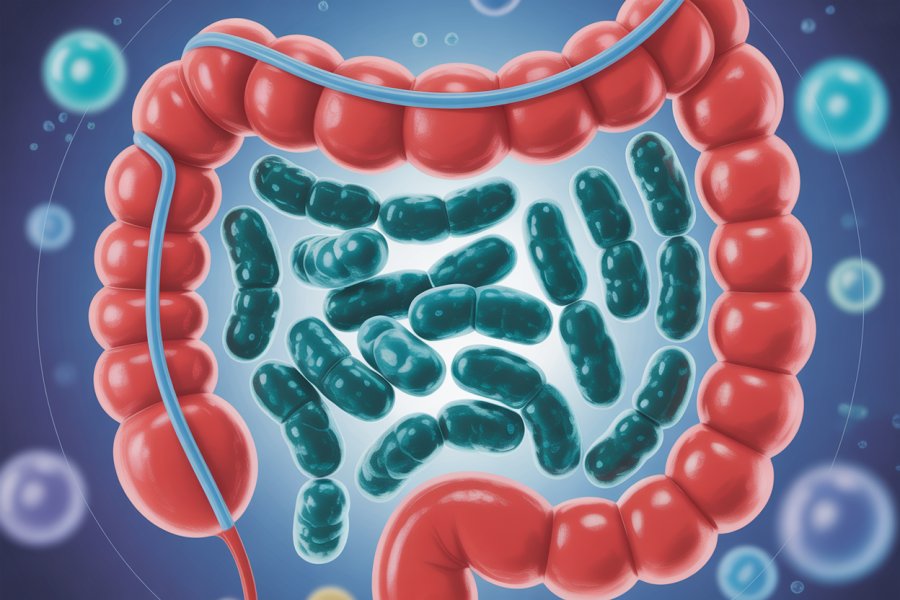
Looking ahead, the future of probiotics is poised to become increasingly personalized. Advances in microbiome analysis and genetic sequencing are paving the way for tailored solutions that match an individual’s unique gut composition. Instead of a one-size-fits-all approach, future probiotics could be customized to target specific health concerns, making interventions more effective and reducing the often frustrating trial-and-error process many experience today. This shift promises to enhance reliability and help users see clearer benefits from their probiotic choices.
Research is also uncovering new probiotic strains with specialized roles beyond traditional digestive support. Some studies explore their potential in mental health, metabolic regulation, and immune resilience, broadening the scope of probiotic applications. As our understanding deepens, these tiny microbes could become integral to managing chronic conditions and supporting overall vitality, transforming probiotics from gut helpers into versatile tools for holistic health.
Meanwhile, ongoing scientific efforts are refining how different strains interact with the gut and immune system. Better insights are expected to lead to more precise recommendations, guiding consumers and healthcare providers toward strains and dosages that deliver real benefits. This progress could reduce the uncertainty around probiotic efficacy, making it easier for people to harness their full potential confidently.
Emerging technologies like microbiome mapping and personalized supplement formulations are set to revolutionize probiotic therapy. These innovations aim to optimize how bacteria survive and thrive in the gut, ensuring that probiotic interventions are not just effective but also sustainable over the long term. Such advancements could shift probiotics from general wellness aids into essential components of individualized health strategies, supporting everything from digestion to immune defense with greater precision.
Despite these promising developments, many questions remain. Individual responses to probiotics vary widely, and understanding what works best for whom continues to be a challenge. More research is needed to identify the most effective strains for specific health issues and to determine optimal dosing strategies. This ongoing work will help minimize disappointment and increase confidence in probiotic treatments, making them more reliable and accessible.
For now, maintaining realistic expectations is key. While the science is advancing rapidly, probiotics are not miracle cures. Their benefits depend heavily on strain selection, proper use, and individual factors. Staying informed about the latest research, choosing high-quality products, and integrating probiotics into a balanced lifestyle offer the best path forward. As science continues to unlock the secrets of our microbiome, probiotics will become smarter, more targeted, and more effective partners in supporting long-term health.