Navigating car repairs can be daunting—should you tackle it yourself, call a mobile mechanic, or visit a full-service garage? Each option offers distinct benefits and risks, from the cost savings and satisfaction of DIY fixes to the convenience and expertise of professional shops. But how do you determine which repair methods suit the job at hand? Simple tasks like changing oil or filters are perfect for DIY, building your skills and saving money, yet complex issues involving electronics or engines demand professional equipment and knowledge. Mobile mechanics strike a balance, handling routine repairs on-site, but they can’t replace the specialized tools of a garage for intricate problems. As vehicles evolve with smart technologies, understanding your limits becomes more critical—know when to call in the pros and when to roll up your sleeves. Will future innovations make repairs easier or more complicated? The key remains in making informed choices to keep your vehicle safe, reliable, and cost-effective.
Navigating Car Repair Choices: DIY, Mobile Mechanics, or Garages
When your car starts acting up, figuring out how to get it fixed can feel overwhelming. The options range from tackling the repair yourself to calling in professionals, and knowing which route makes the most sense depends on the specific problem and your comfort level. Each approach offers its own set of advantages and challenges, so understanding them helps you make smarter decisions that save money, time, and ensure safety.
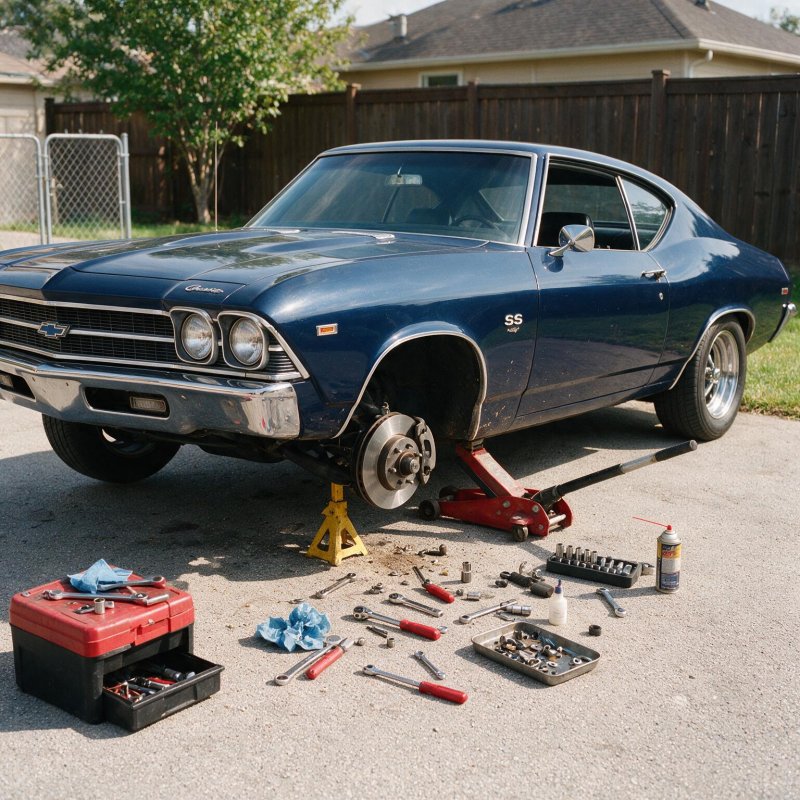
DIY repairs are often the most budget-friendly choice. Basic tasks like changing oil, swapping out filters, or replacing a battery are manageable with a few simple tools and some patience. Doing it yourself not only cuts costs on labor but also gives you a better understanding of how your vehicle works. Plus, you can handle repairs on your schedule instead of waiting for appointments. There’s a real satisfaction in fixing something with your own hands and knowing it was done right.
However, DIY isn’t always straightforward. While small maintenance tasks are usually easy to manage, more complex repairs—like dealing with the engine, transmission, or electronic systems—can quickly become frustrating or even dangerous if you lack the proper skills or tools. Attempting complicated jobs without experience can lead to mistakes that might worsen the problem or compromise safety. Recognizing your limits is key to avoiding costly errors.
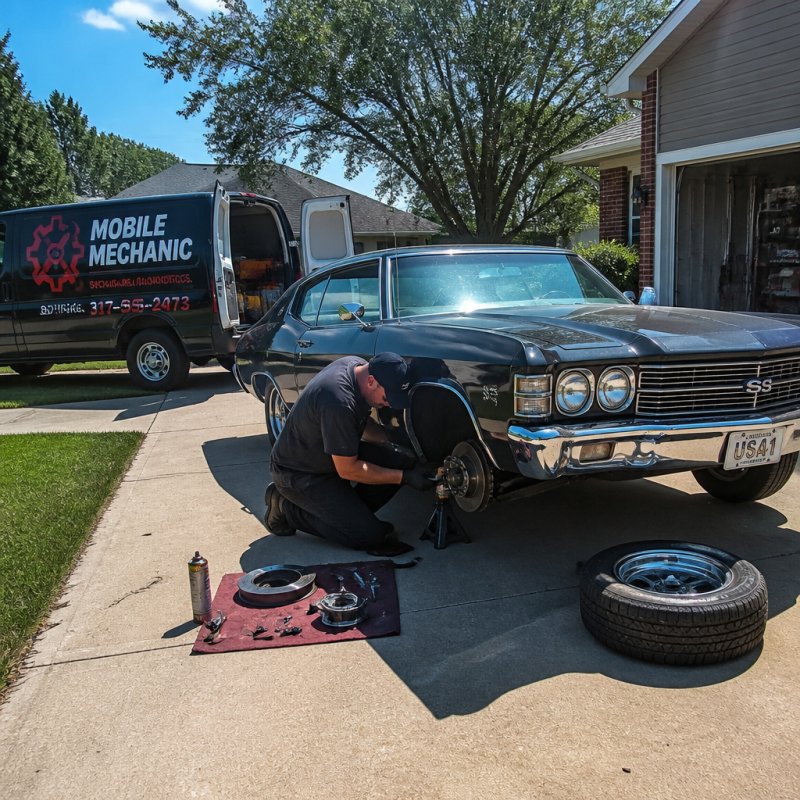
Mobile mechanics provide a convenient middle ground. They come to your driveway or parking lot and handle many routine repairs on-site. This saves you the hassle of towing and waiting at a shop, making it ideal for jobs like brake replacements, diagnostics, or replacing a dead battery. While they bring their own tools and parts, their capabilities are limited compared to a fully equipped garage—especially for repairs that require lifts or heavy-duty machinery.
For more involved repairs—think engine work or transmission repairs—traditional repair shops remain the safest choice. Equipped with lifts, advanced diagnostic scanners, and specialized tools, these garages can handle complex issues efficiently. Technicians follow manufacturer standards, which is essential for safety and reliability. While this option tends to be more expensive and requires scheduling, it ensures your vehicle gets the proper care and a warranty on the work.
Ultimately, the best approach depends on the job’s complexity and your own skills. Simple maintenance tasks are often perfect for DIY, especially if you’re confident and prepared. Routine repairs that don’t need heavy equipment—like replacing filters or changing wipers—are well-suited for mobile mechanics. For anything safety-critical or complex, trusting a professional garage guarantees that repairs are done correctly and safely. Recognizing when to call in help is the key to keeping your vehicle reliable and your costs in check.
Essential Car Repair Knowledge: Safety and Cost Considerations
Understanding the basics of car repair is essential for making informed decisions about when and how to fix your vehicle. Different repair options—DIY, mobile mechanics, and garages—each come with their own safety considerations and cost implications. Knowing which approach suits the job at hand helps prevent mistakes that could jeopardize safety or lead to unnecessary expenses.
DIY repairs are often the most affordable choice, especially for simple tasks like changing oil, replacing filters, or swapping out a battery. These jobs typically require only basic tools and a bit of patience, making them accessible for many car owners. Successfully handling these repairs not only saves money but also builds confidence and a better understanding of your vehicle’s inner workings. However, attempting more complex repairs without proper knowledge or equipment can quickly turn small problems into costly or dangerous mistakes.
The article Mastering Car Repairs: When to DIY and When to Call a Pro by Quin Wade on Sit Tight Now explores this subject in more detail.
Mobile mechanics fill a convenient middle ground. They come to your driveway or parking lot and handle many routine repairs on-site, such as brake replacements or diagnostics. This saves you time and the hassle of towing or waiting at a shop. Yet, their capabilities are limited by the tools and parts they can carry, which means they might not be suited for heavy-duty repairs or jobs requiring specialized equipment. Choosing reputable providers makes a difference in ensuring quality service.
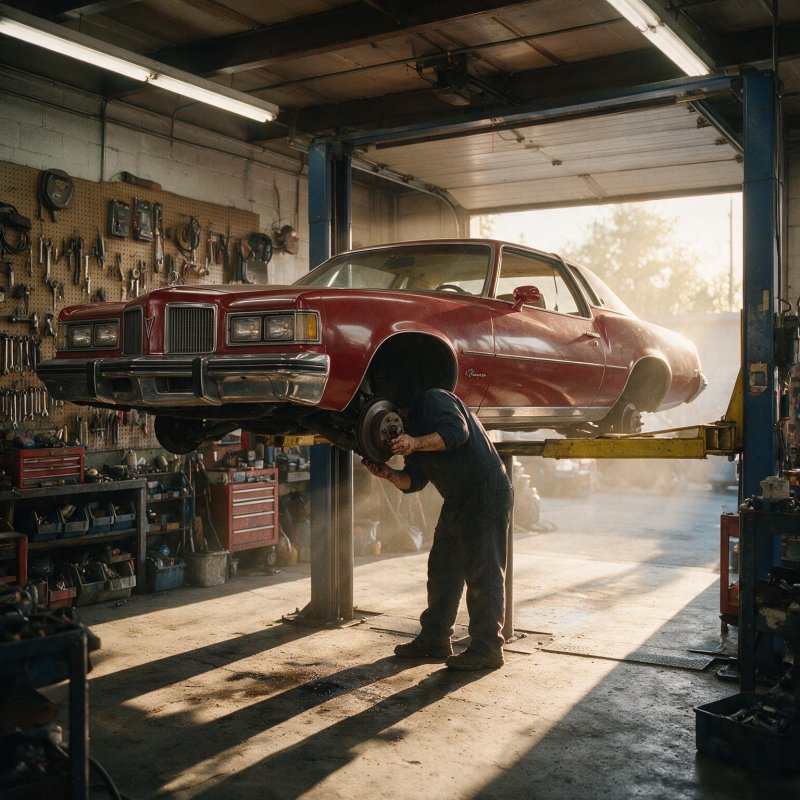
Full-service garages are equipped with lifts, advanced diagnostic tools, and specialized machinery to take on complex repairs like engine rebuilds or transmission work. Technicians in these shops follow manufacturer standards, ensuring repairs are thorough and reliable. While this option costs more and involves scheduling, it offers peace of mind through warranties and guarantees. For safety-critical or intricate issues, a professional garage remains the safest and most dependable choice.
Modern vehicles are becoming increasingly sophisticated, packed with electronic systems and sensors that demand specialized knowledge and tools. Electronic diagnostics and software updates are now routine parts of repairs, making some tasks more precise but also more complex. Recognizing whether a repair involves advanced technology helps determine if DIY is feasible or if professional help is necessary. This awareness prevents missteps that could compromise safety or cause further damage, keeping your vehicle reliable on the road.
Experience Reliable Auto Care at Hirji Auto Repairs in Thornhill
Looking for exceptional auto maintenance in Thornhill, Ontario? Hirji Auto Repairs is a trusted family business offering comprehensive services including oil change, brake repairs, wheel alignment, tune-ups, and more. Whether you need new brakes, tires, or a quick tune-up, our team provides fast and reliable service to keep your vehicle running smoothly. We specialize in installing new tires and brakes, ensuring your safety on the road. Visit us at 60 Green Lane, Unit #2, Thornhill, or call 905-886-4404 for all your car care needs. Choose Hirji Auto for quality, speed, and personalized service that you can trust.
Matching Repair Methods to Real-World Scenarios for Optimal Results
When it comes to choosing the right repair approach in real-world situations, matching the job to the method makes all the difference. For simple fixes like replacing brake pads or swapping a dead battery, many car owners find that tackling these themselves works perfectly. These tasks are straightforward, require minimal tools, and can be completed quickly, making DIY an efficient way to save money and gain confidence. Plus, there’s a satisfying sense of accomplishment in fixing something with your own hands and knowing it was done right.
But as the repair gets more complicated—such as diagnosing electrical glitches or working on the engine—the landscape shifts. Relying on professionals with the proper equipment and experience often becomes the smarter move. For instance, if your check engine light stays on and involves sensors or computer systems, a trained mechanic with diagnostic scanners can identify the root cause faster and more accurately than a DIY attempt. Trying to fix these complex issues without expertise risks making problems worse or creating safety hazards.
Mobile mechanics excel when it comes to routine repairs that don’t need heavy machinery. Replacing a starter, fixing a flat tire, or doing a quick brake job can often be done right in your driveway. They bring their tools and parts, saving you the hassle of towing or waiting in a shop. However, for repairs that require lifting the vehicle or precise electronic calibration, mobile units usually can’t handle the job. Knowing which repairs are suitable for on-site service helps you avoid unnecessary delays and ensure quality work.
For more involved issues—like engine rebuilds, transmission repairs, or electrical diagnostics that demand lifts and specialized gear—a full-service garage remains the best choice. These shops are equipped with the tools and trained technicians needed to handle complex problems safely and efficiently. Though they tend to be more expensive and require scheduling, they offer warranties and guarantees that protect your investment and ensure your vehicle’s reliability.
Trying to DIY a complicated repair without the right skills or tools can backfire quickly. Improperly installed brakes or electrical wiring mistakes can pose serious safety risks or cause further damage. Sometimes what seems simple can turn into a costly and dangerous mistake if you don’t recognize your limits. Being honest about your skill level and the complexity of the job helps you avoid unintended consequences that could compromise safety or lead to expensive rework.
For a related discussion, review Malcolm Jones‘s article Smart Car Repair Choices to Save Money and Stay Safe on The North Shore.
In the end, assessing the specific repair, your skill set, and available resources guides your choice. Simple maintenance like changing filters or wiper blades is often best for DIY. Routine repairs that don’t require specialized equipment are well-suited for mobile mechanics, providing a convenient and reliable option. For anything more complex, especially safety-critical or technically demanding work, a professional garage ensures your vehicle is repaired correctly and safely, saving you from costly mistakes and potential hazards.
Practical Repair Cases: When to DIY and When to Call a Pro
When facing a real-world repair, the key is matching the job to the right approach. For simple fixes like replacing worn brake pads or swapping out a dead battery, many car owners find that doing it themselves works perfectly. These tasks are straightforward, require minimal tools, and can be completed quickly, making DIY an effective way to save money and build confidence. Successfully handling these repairs can also give a sense of pride and a better understanding of your vehicle’s inner workings.
As repairs become more complex—such as diagnosing an electrical glitch or working on the engine—the landscape shifts. Relying on professionals with the right tools and experience usually becomes the smarter choice. For example, if your check engine light stays on and involves sensors or computer systems, a mechanic with diagnostic scanners can pinpoint the problem faster and more accurately than DIY efforts. Attempting these repairs without expertise risks making issues worse or creating safety hazards.
Mobile mechanics excel when it comes to routine repairs that don’t need heavy machinery. Replacing a starter, fixing a flat tire, or performing a quick brake job can often be done right in your driveway. They bring their tools and parts, offering convenience and saving you the hassle of towing or waiting at a shop. However, for repairs requiring lifts or precise electronic calibration, mobile units typically can’t handle the job, making it essential to know which repairs are suitable for on-site service.
For more involved issues—like engine rebuilds, transmission repairs, or electrical diagnostics that demand lifts and specialized equipment—a full-service garage remains the best option. These shops are equipped with the tools and trained technicians needed to address complex problems safely and efficiently. Though they tend to be more expensive and require scheduling, the warranties they offer on parts and labor provide added peace of mind that your vehicle will be reliable afterward.
Trying to DIY a complicated repair without the proper skills or tools can backfire quickly. Improperly installed brakes or electrical wiring mistakes pose serious safety risks or could cause further damage. Often, what seems simple ends up being more involved if you lack the experience. Recognizing your limits and knowing when to call a professional helps you avoid costly mistakes and keeps your vehicle safe and dependable.
The Future of Car Repair: Tech Innovations, Convenience, and Smart Maintenance
The future of car repair is evolving rapidly, driven by technological innovations that make diagnostics and repairs more precise and accessible. Advanced tools now allow both professionals and skilled DIYers to identify issues early, often before they turn into costly problems. Vehicles are increasingly connected, communicating their needs through software updates and sensors, which reduces guesswork and enhances safety. As these technologies become more widespread, repairs are expected to become not only more accurate but also faster, reducing the risk of mistakes and extending the lifespan of your vehicle.
At the same time, the rise of mobile mechanics and on-demand services reflects a shift toward greater convenience. Many car owners now prefer quick, flexible options that fit into busy schedules, eliminating the need for towing or waiting in a shop’s lobby. These services are expanding their capabilities, often equipped with sophisticated diagnostic tools that handle routine repairs efficiently right at your driveway. As this trend continues, maintaining your vehicle is becoming less stressful, more affordable, and more aligned with modern lifestyles.
Despite these advancements, understanding your own skills and safety precautions remains vital. Modern vehicles are more complex than ever, packed with electronic systems that demand specialized knowledge and equipment for proper repair. Attempting complex fixes without proper training can pose safety risks, void warranties, or cause further damage. Knowing when to rely on professionals—and when a DIY approach is appropriate—ensures your safety and protects your investment. This balance is essential as technology continues to advance.
Looking ahead, expect smarter diagnostics, remote troubleshooting, and AI-assisted repair guides to become standard. These innovations will empower owners to maintain their vehicles more effectively and with greater confidence. However, staying informed about new systems and technologies will be crucial, as the complexity of modern cars keeps growing. Combining technological tools with responsible ownership practices will be key to making the most of these developments without compromising safety or quality.
At its core, the principles of good decision-making and honest self-assessment won’t change. Knowing your limits and choosing the right repair method—whether DIY, mobile mechanic, or professional garage—remains the best way to keep your vehicle safe, reliable, and cost-effective. While new tools and services open exciting possibilities, balancing convenience with safety and expertise will always be the foundation of smart car ownership. Embracing these innovations with a clear understanding ensures your vehicle continues to serve you well for many miles to come.