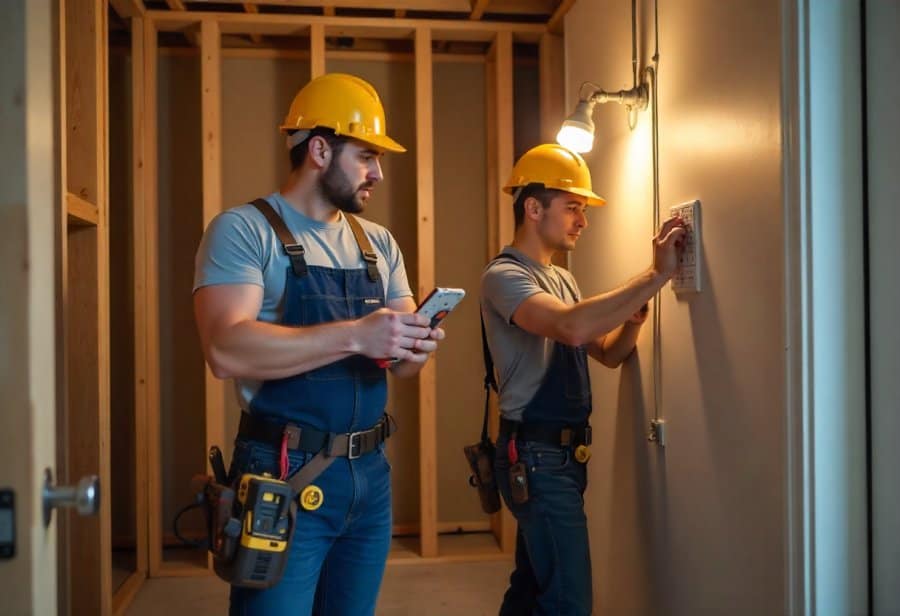
In an era where traditional locks and alarms no longer suffice, modern home security has evolved into an integrated, technology-driven landscape. From remote surveillance to smart access controls, today’s systems offer real-time monitoring that transforms safety from passive to proactive. But how effective are these innovations in truly safeguarding our families amid rising digital threats and unpredictable dangers? This preview explores the journey from basic physical barriers to intelligent, interconnected ecosystems that analyze behavior, anticipate threats, and respond automatically. As homes become smarter and more adaptable, questions arise about cybersecurity, privacy, and reliability. Are these advanced solutions enough to protect modern households, or do they introduce new vulnerabilities? With ongoing technological advances promising even more seamless integration and automatic responses, the future of home security teeters on the edge of extraordinary convenience and complex challenges, making it crucial to understand how these innovations shape our safety in an unpredictable world.
Contents

Evolution of Home Security: From Locks to Smart Controls
Home security has come a long way from the days when sturdy locks and simple alarms were enough to keep a home safe. Today’s systems are smarter, more connected, and capable of providing real-time protection that adapts to our fast-paced lives. Instead of just acting as deterrents, modern security solutions allow homeowners to monitor and control their homes from anywhere, turning safety into an active, ongoing process.
This shift reflects how our lifestyles have changed—more mobile, more digitally connected, and often on the go. Instead of waiting for an alarm to trigger or rushing back home after a potential breach, families now have tools that provide instant visibility and control. From checking on children or pets to responding to suspicious activity, remote access makes it possible to stay in command regardless of location. It transforms home security from a passive safeguard into a proactive shield.
Traditional measures like deadbolts and basic alarms served their purpose but are no longer enough to counter today’s more sophisticated threats. Intruders are cleverer, emergencies more unpredictable, and relying solely on locks or sirens leaves gaps in protection. Modern systems integrate cameras, sensors, and alarms into a unified platform, all controllable via smartphones or web apps. This connectivity enables continuous oversight and faster responses, making homes more resilient.
Advances like wireless cameras, motion detectors, and internet-connected sensors have made installation easier and more flexible. Paired with artificial intelligence, these devices can distinguish between normal activity and genuine threats, reducing false alarms and ensuring quick action. This integration creates a dynamic security environment that adapts to changing circumstances, giving families peace of mind and greater confidence in their safety measures.
The importance of these systems isn’t just in their technology but in how they fit into our lives. Today’s home security solutions are designed to be seamless and intuitive, allowing users to customize alerts, automate responses, and integrate with broader smart home devices. Whether turning on lights remotely or locking doors automatically, these features help create a safer, more convenient living environment that keeps pace with our busy routines.
As technology continues to evolve, the future of home security looks even more interconnected and intelligent. Homes will learn routines, anticipate threats, and respond automatically—making safety less about reaction and more about prevention. This ongoing innovation aims to make our homes safer, smarter, and more adaptable to the unpredictable challenges of modern living.
Tracing the Technological Roots of Modern Home Security
The story of home security technology is a story of continuous evolution, marked by key breakthroughs that have shaped the systems we rely on today. It all began with basic physical barriers—locks, bolts, and simple alarms—that served as the first line of defense. While effective to some extent, these measures offered limited protection against determined intruders or unexpected emergencies. As technology progressed, electronic solutions like keypad controls and basic alarms emerged, giving homeowners more immediate control and alert capabilities, yet still remaining largely manual and reactive.
The real breakthrough came with the rise of digital technology and the internet. Suddenly, managing security systems from afar became feasible, transforming them from passive alarms into active monitoring tools. Wireless sensors, including motion detectors and door/window contacts, made installation easier and more adaptable, covering larger areas without the need for extensive wiring. This shift enabled faster responses and more effective deterrence, fundamentally changing how homes could be protected.
Additional analysis is available in Harp Parker‘s article Discover How Smart Home Security Transforms Safety Today published on The Big Toy Box.
CCTV cameras further revolutionized home security. Originally designed for commercial use, these cameras became increasingly accessible for residential properties. High-definition footage, night vision, and remote access meant homeowners could keep a watchful eye on their property from anywhere—adding a visual layer that not only deterred intruders but also provided crucial evidence when needed. Surveillance transitioned from a passive recording activity to an active component of everyday security.
As wireless connectivity and smartphone app integration matured, managing these devices became more user-friendly. Homeowners gained the ability to arm or disarm alarms, view live feeds, and receive instant alerts—all from their phones. This convenience fostered a more personalized approach to security, allowing families to tailor their setups to their specific needs. Moreover, integrating various devices into broader smart home ecosystems created a comprehensive network for safety management that was more intuitive and centralized.
Artificial intelligence and machine learning then entered the scene, elevating threat detection to new levels. These intelligent features analyze activity patterns, distinguish between normal and suspicious behavior, and trigger automated responses when necessary. This not only reduced false alarms but also made systems more adaptive to evolving risks, enhancing overall resilience. However, these advances came with challenges, such as cybersecurity concerns and the need for ongoing updates to protect against hacking and malfunctions.
Despite some hurdles, each development laid a stronger foundation for today’s integrated security solutions. They reflect a persistent drive toward smarter, more flexible, and more reliable home protection. These innovations have transformed home security from a simple deterrent into an active, dynamic system capable of addressing the complexities of modern threats and lifestyles.
Protect Your Markham Property with F.I.S.T Security’s Expert Surveillance Solutions
F.I.S.T Security is a proudly Canadian owned and operated business based in Markham, Ontario, specializing in comprehensive security solutions. With a reputation built on trust and excellence, F.I.S.T Security goes the extra mile to ensure your safety needs are met, especially when it comes to CCTV systems. Their services include intruder detection, card access, alarm monitoring, remote video surveillance, lighting, and environmental control. Whether you need a robust security system for your home or business, F.I.S.T Security delivers tailored solutions that prioritize your safety. Contact them today at 416.755.4233 or email [email protected] to learn more about how they can protect your property and assets in Markham, Ontario.
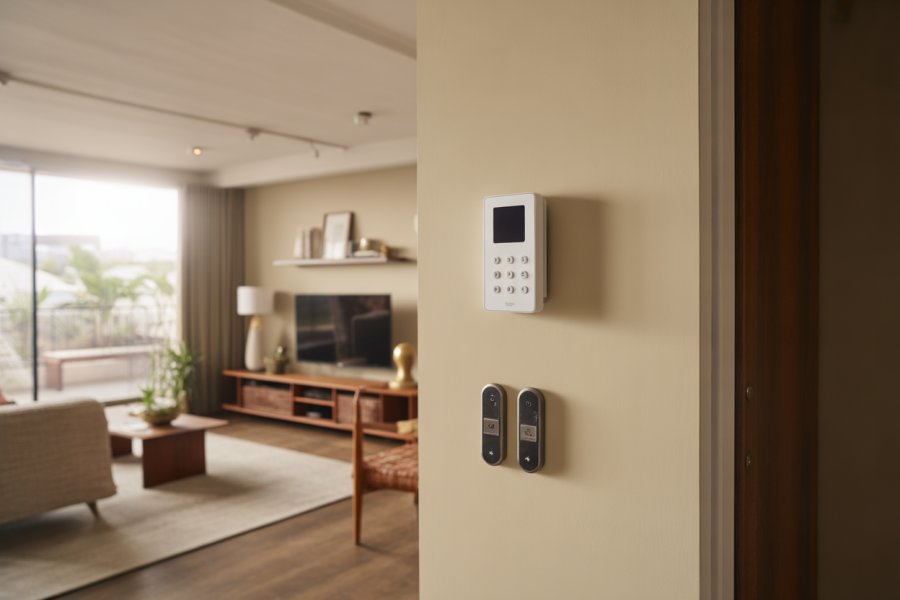
Current Trends: The Rise of Connected, Remote-Controlled Security Systems
Today’s home security landscape is dominated by the widespread adoption of integrated, remote-controlled systems that have become standard for many households. These setups combine real-time monitoring, smart access controls, and connected cameras, all accessible through smartphones or tablets. This connectivity allows homeowners to keep a watchful eye on their property from anywhere—whether at work, traveling, or relaxing at home—giving them peace of mind and the ability to respond instantly to any situation.
The integration of artificial intelligence and the Internet of Things has elevated smart home security into a new realm. Systems now analyze activity patterns, identify potential threats proactively, and respond automatically when necessary. Features like turning on lights, locking doors, or alerting authorities happen seamlessly, often without any manual input. This automation makes security more intuitive, reducing the chances of human error and ensuring faster reactions to emerging risks.
Modern security solutions are designed to work within broader smart home ecosystems, connecting cameras, locks, sensors, and even thermostats into a single, user-friendly platform. This interconnectedness simplifies management, allowing households to arm alarms, lock doors, and adjust settings with a few taps. For example, activating the security system can trigger lights to turn on or the thermostat to adjust, creating a safer and more comfortable environment effortlessly.
Real-time remote monitoring transforms emergency responses. Homeowners can verify suspicious activity instantly via live feeds, often deterring intruders who prefer unmonitored targets. When a threat is confirmed, quick remote responses—like locking doors or alerting authorities—are easier than ever, significantly reducing reaction times and potential damage. This immediacy enhances overall safety and provides a crucial advantage in unpredictable situations.
Experience the Future of Smarter, Remote Home Security Systems by Icarus Jackson, published on Little Ducky, You're the One!, provides additional context.
Despite these technological advances, reliance on internet connectivity remains a challenge. Outages can temporarily disable remote access and control features, leaving homes vulnerable. Privacy and cybersecurity concerns are also on the rise, as more devices transmit personal data. Many families mitigate these risks by pairing digital solutions with traditional measures or professional monitoring, creating a layered approach that balances convenience with security.
The shift from reactive to proactive security is evident in how these systems are now expected to prevent threats before they escalate. Homes are increasingly equipped with technologies that learn routines, recognize anomalies, and respond automatically. This evolution reflects a broader trend toward smarter, more resilient living spaces where safety is integrated into daily routines rather than relied on after a breach occurs.
Looking ahead, the future of home security promises even more seamless integration. Homes will learn routines, anticipate threats, and respond automatically, creating a sophisticated safety net that adapts to our unpredictable world. As innovations continue, homes will become smarter and more resilient, offering families enhanced protection with less effort and greater confidence.
Real Homes, Real Safety: How Integrated Solutions Transform Protection
Integrated remote-controlled security solutions are actively transforming how families protect their homes every day. Many households install systems that allow them to monitor live camera feeds, lock or unlock doors, and receive instant alerts from virtually anywhere in the world. For example, a parent can check on children after school through a smartphone app, or a homeowner can respond to a suspicious visitor without rushing back home. These tools shift security from passive to proactive, offering real peace of mind and a sense of control.
The ability to view real-time footage provides homeowners with immediate clarity about what’s happening on their property. Whether they’re at work, traveling, or relaxing, they can verify whether an alarm is false or indicates a real threat. This quick access not only deters intruders who prefer unmonitored targets but also enables prompt responses—such as locking doors or alerting authorities—significantly reducing reaction times and potential damage.
Experience the Future of Home Security with Intelligent Remote Control Systems is one example of how Ophie Nelson approaches this topic on Sit Tight Now.
Customization plays a vital role in the effectiveness of these systems. Families can set specific alerts for different zones or adjust sensor sensitivities to suit their routines. For instance, pet owners might disable motion detectors in certain areas to avoid false alarms, while others might prioritize perimeter sensors. This flexibility ensures that security measures align with each household’s unique needs, making the system more reliable and less prone to nuisance alerts.
Smart access controls, like keyless entry systems and biometric locks, enhance both security and convenience. These solutions eliminate risks associated with lost keys or unauthorized duplication. Homeowners can grant temporary access to visitors or service providers remotely, while maintaining detailed logs of entries and exits. Such control helps prevent unauthorized access and simplifies daily routines, especially for busy households managing multiple schedules.
When integrated into broader home automation platforms, these security tools communicate seamlessly, enabling coordinated responses. For example, if a camera detects motion, the system can automatically activate lights, lock doors, or trigger alarms—either automatically or via remote commands. This interconnected approach creates a comprehensive security environment that reacts swiftly and efficiently to threats, enhancing overall safety and resilience.
Of course, heavy reliance on digital solutions isn’t without challenges. Internet outages can temporarily disable remote access, leaving homes more vulnerable. Privacy and cybersecurity concerns are also significant, as more devices transmit personal data. Many families mitigate these risks by pairing digital systems with traditional measures or professional monitoring, creating a layered, resilient safety net.
Real-world applications highlight the tangible benefits of these solutions. Families regularly use remote access to verify suspicious activity, respond quickly, and deter intruders. The ability to monitor, control, and automate from afar turns security into an active, dynamic process rather than a passive safeguard. This shift not only enhances safety but also provides families with confidence and peace of mind in an unpredictable world.
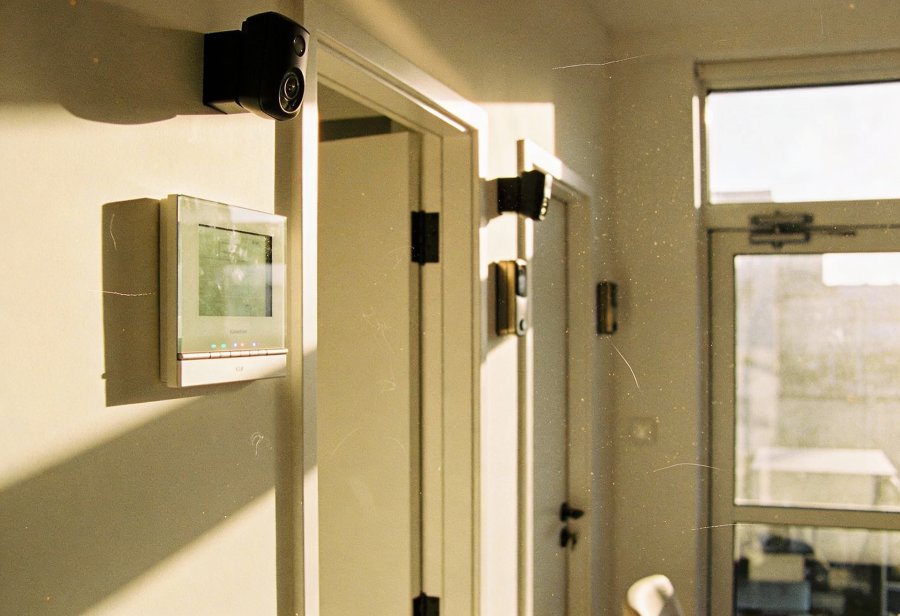
Looking Ahead: Innovations and the Future of Home Security
The future of home security promises to be more intelligent and seamlessly integrated into daily life than ever before. Advances in artificial intelligence and machine learning will enable systems to do more than just detect threats—they will anticipate them. Homes will analyze behavioral patterns over time, recognizing subtle signs of suspicious activity and alerting homeowners or authorities proactively. This shift from reactive to predictive security will dramatically reduce false alarms and ensure faster, more accurate responses to genuine risks.
As the Internet of Things continues to expand, our homes will evolve into interconnected ecosystems where every device communicates effortlessly. Cameras, locks, sensors, and even lighting will work together intuitively, creating a cohesive security environment. Automation will reach new heights, allowing homes to respond automatically to various scenarios. Imagine a system that learns your routines, automatically locking doors, turning on lights, and alerting authorities when something seems out of the ordinary—all without manual input.
Biometric technologies will become standard, replacing traditional keys and codes with facial recognition, fingerprint scans, or voice identification. These innovations will make access more secure and convenient, drastically reducing the risk of unauthorized entry. Alongside these, cybersecurity measures like blockchain-based protocols will safeguard personal data, ensuring our increasingly connected homes remain resistant to hacking and digital threats.
The evolution of home security will also require ongoing adaptation—homes will learn routines, detect anomalies, and respond automatically, creating a dynamic safety net that preempts danger. Regular updates and threat monitoring will be essential to maintain system integrity, making security a proactive, rather than reactive, feature of everyday living. This continuous learning process will help households adapt to new risks as they emerge, keeping safety at the forefront.
Moreover, future homes will be equipped with smarter sensors that can distinguish between normal activity and genuine threats with greater accuracy. With advancements in sensor technology and data analysis, homes will respond swiftly to real dangers while minimizing false alarms. These improvements will enable households to act quickly—whether by locking doors, alerting authorities, or activating alarms—providing a level of protection that adapts in real time.
Ultimately, the landscape of home security will become more intuitive, responsive, and integrated than ever before. As technology evolves, our homes will not only react to threats but actively prevent them, creating safer environments that adapt seamlessly to our unpredictable world. Families will enjoy peace of mind knowing their living spaces are smarter, more resilient, and better equipped to face the challenges of modern life.