In an era where seamless, reliable communication is vital, how can organizations leverage innovative telephony solutions to transform their networks? Grandstream’s advanced IP phones and centralized management platforms offer a game-changing approach, simplifying deployment and scaling for businesses of all sizes. Their carrier-grade GRP series devices, managed effortlessly through tools like GDMS, enable remote configuration, monitoring, and troubleshooting—saving time and reducing errors. But is your network truly optimized to support rapid growth and changing demands? From cloud-based solutions to on-premises setups, understanding the strategic deployment and management of these devices can dramatically enhance operational efficiency, improve customer experiences, and ensure security. Can your organization harness these tools to stay ahead in today’s digital landscape? Exploring these strategies reveals the potential for smarter, more adaptable communication infrastructures that keep you connected, responsive, and competitive—no matter the challenge.
Elevate Your Business Communications with FiberConX’s Toll-Free Services in Canada
Discover the power of seamless communication with FiberConX Communications, a leading provider of VoIP & IP Business phone services in Canada. Our Toll-Free Services enable your business to enhance customer engagement through advanced features like voicemail, IVR, Ring Groups, and voicemail-to-mail. These tools ensure you stay connected and responsive, boosting your professional image and operational efficiency. Whether you’re looking to expand your reach or streamline your communications, FiberConX is here to support your growth. Contact us today at 1.416.945.9210 or email [email protected] to learn more about our tailored VoIP solutions designed for Canadian businesses seeking reliable and feature-rich toll-free connectivity.
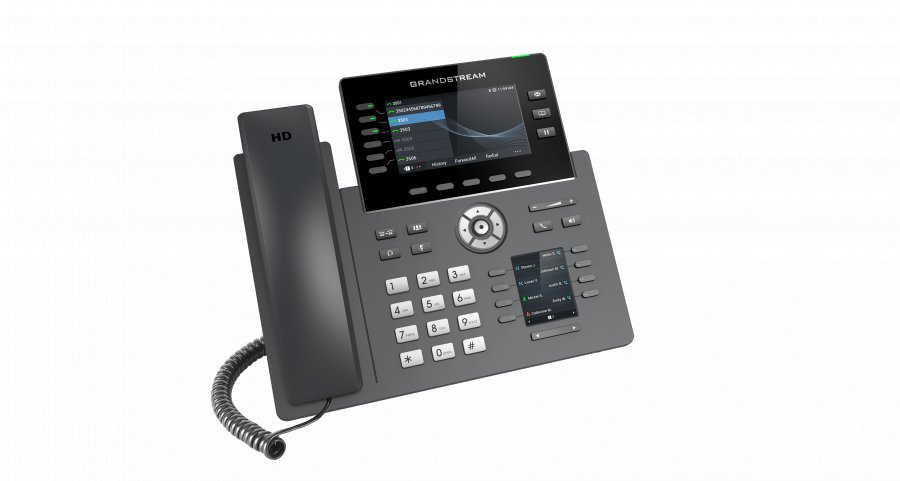
Transform Your Business Communications with Customizable Telephony Solutions
In today’s fast-paced business world, clear and reliable communication is more crucial than ever. Companies need flexible telephony solutions that can adapt quickly—whether supporting remote teams, managing high call volumes, or integrating seamlessly with existing systems. Traditional phone setups often fall short, offering limited customization and costly maintenance. That’s where customizable telephony solutions come into play, allowing organizations to tailor their communication tools to specific workflows and future growth.
As businesses look for smarter ways to stay connected, devices that are easy to configure and manage become essential. Grandstream’s range of IP phones and management platforms are designed to simplify deployment and ongoing maintenance. These tools enable organizations to build scalable networks that grow with their needs, all while maintaining control over security and quality. Centralized management platforms like GDMS make it possible to oversee hundreds of devices remotely, saving time and reducing errors.
The shift toward cloud-based management reflects an evolving landscape. Cloud solutions facilitate quick updates, remote troubleshooting, and real-time monitoring—minimizing disruptions and speeding up responses. On-premises options remain relevant for organizations prioritizing data control, but both approaches benefit from devices built for large-scale deployment and easy management. This flexibility allows organizations to choose the best fit for their size, security needs, and operational style.
Choosing the right devices and management strategies is key to maximizing efficiency. Grandstream’s IP phones, especially the carrier-grade GRP series, are designed for quick setup and effortless scaling. When paired with centralized tools like GDMS, organizations can configure, monitor, and troubleshoot devices from a single interface—whether managing a handful or thousands. This approach streamlines routine tasks and boosts communication reliability, setting a solid foundation for growth.
Embracing customizable telephony solutions transforms traditional networks into flexible, efficient systems. From remote management to hardware scalability, the right technology choices make a real difference in daily operations. By exploring these strategies and devices, businesses can stay connected and competitive in today’s digital landscape, ensuring their communication infrastructure supports their long-term success.
Foundations of IP Telephony: From Digital Conversion to Centralized Management
IP telephony, or VoIP, has revolutionized how organizations communicate by converting voice into digital data that travels over the internet. This shift eliminates the need for traditional landlines, allowing voice calls to be packetized and transmitted through existing network infrastructure like routers and switches. The result is a more cost-effective and scalable solution that integrates easily with other digital tools such as video conferencing and instant messaging.
At the core of effective IP telephony is a reliable, high-quality network. Protocols like SIP (Session Initiation Protocol) manage how calls are initiated, maintained, and terminated across diverse devices and platforms. Designing networks to prioritize voice traffic through Quality of Service (QoS) ensures clear, lag-free calls even during busy periods. This foundation is essential for maintaining the professionalism and reliability that modern businesses require.
The evolution of telephony devices reflects this digital transformation. Traditional landline phones, which relied on dedicated copper wiring, offered only basic voice functions. Digital PBX systems and IP phones introduced greater flexibility and advanced features. Today, devices like Grandstream’s IP phones combine high-definition audio, intuitive interfaces, and remote management capabilities, supporting large-scale deployments and seamless updates. This progression underscores the industry’s move toward smarter, more adaptable communication tools tailored to dynamic business environments.
Centralized management has become vital for deploying and maintaining these systems efficiently. Instead of configuring each device individually, organizations use cloud platforms or on-premises systems to oversee hundreds or thousands of endpoints remotely. This approach simplifies setup, accelerates updates, and enforces security policies consistently across the network. It also allows IT teams to troubleshoot and optimize devices from anywhere, reducing downtime and support costs.
Choosing between cloud-based or on-premises management depends on organizational priorities. Cloud solutions offer rapid deployment and scalability, making them ideal for distributed teams. Conversely, on-premises systems provide greater control over data and security for organizations with strict compliance needs. Both approaches, however, benefit from standardized protocols like SIP and network designs that incorporate proper QoS settings, ensuring clear, reliable communication.
Understanding these foundational concepts—digital conversion, network design, device evolution, and management strategies—sets the stage for leveraging innovative solutions like Grandstream’s devices. They enable organizations to build flexible, resilient communication networks that adapt to future growth while maintaining high quality and security.

Current Trends: How Organizations Are Embracing Integrated Telephony Systems
Today, most organizations are embracing integrated telephony solutions that blend traditional voice services with modern management platforms. Many are transitioning to IP-based systems, which centralize device configuration, monitoring, and troubleshooting through cloud management or on-premises systems. This shift supports multi-location setups and makes scaling easier, allowing businesses to expand their communication infrastructure without the need for extensive on-site support. Cloud-managed solutions, in particular, enable real-time updates and remote oversight, reducing downtime and support costs while ensuring consistent communication quality across teams.
Organizations deploy a wide range of devices, from basic IP phones to sophisticated video-enabled endpoints, tailored to specific operational needs. Centralized management platforms allow administrators to remotely configure, update, and troubleshoot these devices across multiple sites. This approach minimizes errors, accelerates deployment, and maintains security standards uniformly. As a result, businesses can quickly adapt to changing demands—adding new users or expanding into new markets—without the logistical challenges of manual setup.
The rise of cloud-based management has revolutionized how organizations oversee their telephony networks. These platforms facilitate remote device provisioning, firmware updates, and troubleshooting from anywhere, which is especially valuable for distributed teams. They enable rapid deployment of new devices, provide real-time system monitoring, and help identify issues before they impact service. This flexibility enhances oversight, cuts support overhead, and ensures reliable, high-quality communication at every location.
Larger enterprises often prefer hybrid or on-premises solutions that offer greater control over data security and compliance. These setups support complex network architectures, with centralized tools managing multiple sites to enforce consistent policies. Smaller organizations tend to favor cloud-based options for their ease of use and scalability, allowing quick expansion with minimal initial investment. Regardless of the approach, best practices like standardized protocols and network design—such as Quality of Service (QoS)—are essential to maintain clear, dependable voice quality.
Overall, the current landscape shows a clear move toward smarter, more adaptable telephony systems. Organizations recognize the benefits of centralized management—whether cloud or on-premises—for reducing support costs, increasing agility, and supporting growth. Incorporating devices like Grandstream’s IP phones within these frameworks ensures scalable, secure, and reliable communication networks, ready to meet modern business demands.
For organizations seeking to upgrade their hardware, Yealink’s T5 Series Phones offer a range of advanced features and seamless integration with existing systems. Investing in such devices can further enhance the efficiency and quality of your telephony infrastructure, ensuring you stay aligned with current technological trends.
Smart Investments: Cost Analysis and Long-Term Value of Grandstream Devices
Investing in Grandstream devices offers a compelling balance between upfront costs and long-term value. While premium IP phones and centralized management platforms may require a larger initial investment, their durability and scalability translate into significant savings over time. Organizations benefit from fewer replacements and reduced support needs, cutting down on ongoing expenses associated with outdated or low-quality equipment. Tools like GDMS streamline deployment and maintenance, minimizing support overhead and preventing costly downtimes that can disrupt daily operations.
The cost of individual devices varies depending on features. Entry-level IP phones can start around $50, while models with HD audio, programmable keys, and video capabilities can reach several hundred dollars each. For small offices, this may seem manageable, but larger deployments—running into hundreds or thousands of units—are more efficiently managed through bulk purchasing and professional setup. The scalable nature of Grandstream’s solutions allows organizations to start small and expand gradually, spreading out expenses without overhauling their existing systems.
Software licenses for management platforms like GDMS add to the initial budget but often pay for themselves through operational efficiencies. Remote device configuration, firmware updates, and troubleshooting reduce the need for on-site visits, saving time and support costs. These efficiencies not only prevent disruptions but also enhance security, as updates and patches can be rolled out swiftly across all devices. Over time, these capabilities translate into tangible cost savings that justify the investment.
Durability plays a key role in the overall ROI. Grandstream hardware is built to withstand daily use, reducing the frequency of replacements and minimizing downtime. This reliability means fewer support tickets and less operational disruption, translating into support staff hours saved and improved productivity. When combined with the ability to scale networks seamlessly, these factors reinforce the strategic value of deploying Grandstream’s devices.
Beyond direct financial considerations, the broader benefits include improved customer service and internal efficiency. A reliable, flexible communication infrastructure supports faster response times and better workflow management. Upgrading to a manageable, scalable system positions organizations to adapt quickly to market changes without incurring prohibitive costs. In this way, the initial investment in Grandstream solutions becomes a foundation for sustainable growth.
Overall, the financial case for Grandstream’s solutions is clear: their durable hardware, centralized management, and scalable architecture deliver ongoing savings and operational advantages. The initial expenditure is offset by reduced support costs, minimized downtime, and the capacity to grow without large-scale reinvestments. This strategic approach ensures organizations build a future-proof communication network that balances budget considerations with long-term value.
Real-World Success: Daily Benefits of Modern Telephony Solutions
Implementing modern telephony solutions like Grandstream’s IP phones and centralized management tools truly transforms daily operations for organizations. Companies notice more reliable, high-quality communication, which translates into faster responses and fewer technical disruptions. For instance, a retail chain can effortlessly set up new store locations with consistent, professional phones managed from a central platform, ensuring seamless customer interactions across all outlets. Similarly, remote teams benefit from flexible, secure communication channels that integrate smoothly into their workflows, boosting overall productivity and cohesion.
Clear and dependable communication helps staff connect more efficiently, reducing wait times and minimizing misunderstandings. Features such as call forwarding, voicemail, and presence indicators keep employees organized and responsive, regardless of their location. This streamlining of internal processes minimizes downtime and allows teams to focus on core tasks without being bogged down by technical issues. The result is a more agile, responsive workspace where information flows smoothly, and collaboration is effortless.
Many organizations have experienced tangible benefits with Grandstream’s solutions. A healthcare provider, for example, upgraded to Grandstream IP phones, which improved coordination between clinics and administrative offices. This upgrade cut down call setup times and enhanced patient follow-up, leading to better service delivery. Similarly, a retail business deployed Grandstream’s mass deployment devices across multiple stores, managing all phones centrally. This enabled quick onboarding of new outlets with uniform settings, improving customer service and operational efficiency.
While deploying these systems, challenges like poor network planning or inadequate device placement can affect call quality. However, with proper planning—such as ensuring stable wired or Wi-Fi connections and using network segmentation—organizations can avoid these pitfalls. Regular firmware updates and staff training are also crucial to maintaining security and performance, ensuring these communication tools serve their purpose effectively day after day.
The impact of these solutions extends beyond mere voice calls. They support faster decision-making, better customer experiences, and streamlined workflows. From healthcare to retail, businesses that leverage these telephony tools see quicker response times, improved service quality, and more efficient internal communication. This daily benefit underlines the importance of choosing flexible, manageable systems that adapt to growth and change, keeping organizations connected and competitive in an increasingly digital world.

Maximize Deployment Efficiency with Grandstream IP Phones and Management Tools
To get the most out of Grandstream’s devices, start by leveraging their built-in features and management tools from day one. The GRP series IP phones are designed for quick and straightforward deployment, thanks to intuitive setup options. Using Grandstream’s Device Management System (GDMS), administrators can remotely configure, monitor, and troubleshoot hundreds or even thousands of phones across multiple locations. This centralized approach accelerates deployment, reduces manual errors, and ensures uniformity in configuration, especially in large-scale setups.
GDMS simplifies ongoing management by allowing bulk firmware updates, security patches, and configuration changes from a single, user-friendly interface. This means your IT team can maintain device security and performance without the need for physical visits, saving time and minimizing support costs. Once devices connect to the network, they automatically download their configurations, making remote provisioning seamless and eliminating the need for manual setup at each endpoint.
Effective deployment begins with careful network planning. Segment voice traffic into dedicated VLANs and ensure sufficient bandwidth to prevent congestion. Proper placement of phones—preferably in areas with stable wired or Wi-Fi connections—avoids signal dropouts and audio issues. Using templates within GDMS standardizes configurations across all devices, streamlining updates and troubleshooting, which is crucial for maintaining high-quality communication.
Beyond technical setup, take advantage of device customization options like programmable keys, auto-attendants, and integration features. Managing these centrally allows quick rollout of new functionalities and ensures consistency throughout your network. As your organization grows, the ability to add devices remotely and configure them uniformly supports scalable expansion without disrupting ongoing operations.
Network security is also vital. Regular firmware updates, strong password policies, and network segmentation help protect your communication infrastructure from vulnerabilities. Training staff to use GDMS effectively ensures that deployment remains smooth and secure over time. Proper device placement, combined with proactive management, builds a resilient, flexible telephony environment capable of adapting to changing needs.
In essence, combining strategic device placement with the powerful management capabilities of Grandstream’s solutions creates a reliable foundation for daily operations. This approach not only enhances communication quality but also simplifies scalability and security—key elements for any growing business. By fully utilizing these tools and best practices, organizations can maximize their investment, ensuring their network remains efficient, secure, and ready for future expansion.