In an era where effective communication can make or break a business, the evolution from traditional landlines to advanced VoIP systems signifies more than just technological progress—it reshapes how companies connect, compete, and build trust. Modern features like auto-attendants, call routing, and mobile integration create a polished, professional image and foster seamless customer experiences. Yet, transitioning to these systems presents challenges: staff resistance, technical hurdles, security risks, and operational disruptions. Success depends on strategic planning, robust infrastructure, and proactive security measures. As businesses increasingly rely on cloud-based tools for agility and resilience, the future promises smarter, more autonomous communication platforms powered by AI and machine learning, elevating personalization and efficiency. Will organizations fully harness these innovations to enhance reliability, security, and growth? The ongoing digital transformation demands not only embracing cutting-edge features but also safeguarding operational continuity, making the right communication strategy more vital than ever.
Revolutionize Your Business Communication with FiberConX’s VoIP Solutions
Discover the future of business communication with FiberConX Communications, a leading provider of business phone services in Canada. Specializing in VoIP and IP business phone solutions, FiberConX offers advanced features like voicemail, Interactive Voice Response (IVR), Ring Groups, and voicemail-to-mail services that enhance efficiency and customer experience. Whether you’re a small startup or a large enterprise, FiberConX’s reliable and scalable communication tools ensure seamless connectivity. For more information or to customize your business phone system, contact the team at [email protected] or call 1.416.945.9210 today.
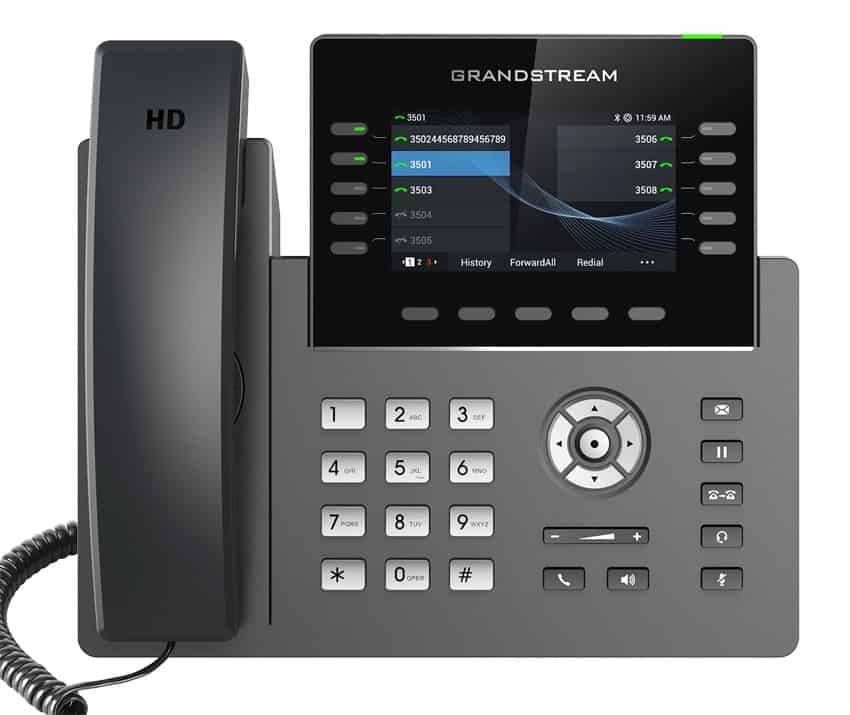
Transforming Business Communication: From Landlines to Digital Dominance
Effective communication has always played a central role in business success, but the way companies stay connected has undergone a dramatic transformation over the years. In earlier days, handwritten memos, face-to-face meetings, and landline phones were the primary tools for exchanging information. While reliable, these methods often slowed down decision-making and limited flexibility, tying businesses to specific locations and hardware. As technology advanced, organizations began adopting digital solutions that offered faster, more adaptable ways to communicate, paving the way for today’s dynamic landscape.
The advent of the internet in the late 1990s marked a pivotal shift. Businesses started leveraging internet-based platforms, leading to innovations like Voice over Internet Protocol (VoIP), which transmits voice data over the web instead of traditional phone lines. This change significantly reduced costs and introduced features such as call forwarding, video conferencing, and mobile integration. These advancements didn’t just improve the way companies communicated; they transformed daily workflows, enabling teams across different locations to collaborate more efficiently and make quicker decisions.
Today, reliable communication is not just a convenience but a strategic asset. Features like auto-attendants and call routing help create a professional image and ensure customer inquiries are handled promptly. Cloud-based phone systems have taken this further by offering scalable solutions that grow with the business. They allow organizations to add lines or users effortlessly, manage settings remotely, and recover quickly from disruptions. This resilience and flexibility are vital in a world where rapid change and unexpected challenges are commonplace.
Security and compliance have become integral to modern communication systems. As more channels rely on the internet, safeguarding sensitive information is crucial. Modern platforms incorporate encryption, secure login protocols, and call recording features to protect data and meet industry standards such as GDPR and HIPAA. These security measures are essential for maintaining trust and operational integrity, especially as cyber threats become more sophisticated and regulation tighter.
The evolution from traditional landlines to internet-based communication tools reflects a broader shift toward agility and resilience. While landlines provided stability, they lacked the scalability and mobility businesses now require. Digital communication platforms support remote work, global expansion, and real-time collaboration, enabling organizations to stay connected no matter where they are. This ongoing transformation continues to shape how companies connect, compete, and succeed in an increasingly interconnected, digital world.

Navigating Challenges and Strategic Considerations in Modern Phone Systems
Transitioning to modern business phone systems can present a range of challenges that organizations need to navigate carefully. Resistance from staff members accustomed to traditional landlines or older communication methods is common. Change can be unsettling, especially if employees worry that new technology might complicate their routines or slow down daily tasks. To address this, clear communication about the benefits and comprehensive training are crucial. When employees understand how these tools can streamline their work and enhance efficiency, they’re more likely to embrace the transition rather than resist it.
Technical issues also pose a significant hurdle. Poor internet connectivity, outdated hardware, or misconfigured setups can lead to disruptions that undermine the reliability of new systems. For example, unreliable internet can cause call quality to suffer, resulting in dropped calls or unclear audio. Investing in a robust infrastructure, including high-quality routers and switches, and scheduling regular maintenance can help prevent these problems. Having dedicated technical support on hand for troubleshooting ensures that issues are resolved quickly, keeping communication channels open and dependable.
Security concerns grow even more critical as businesses rely on internet-based communication. Modern systems often handle sensitive data, making them attractive targets for cyber threats. Without proper safeguards, confidential conversations and customer information could be exposed. Implementing encryption, strong access controls, and secure login protocols are essential steps in protecting this data. Neglecting these measures can lead to data breaches, legal penalties, and damage to reputation—costs that far outweigh the initial investments in security. As threats evolve, so must the security features embedded within these systems.
The transition process also demands careful planning to avoid operational disruptions. Rushing implementation or poorly managing the rollout can cause delays and frustrations, hampering the expected benefits. A phased approach—starting with a pilot program, gathering feedback, and gradually expanding—helps smooth the transition. Clear timelines, dedicated support teams, and ongoing communication foster confidence among staff and stakeholders. This careful management ensures that the new system integrates seamlessly into existing workflows and that users feel supported throughout the change.
Finally, over-dependence on internet-based systems introduces vulnerabilities, particularly during outages. Cloud and VoIP solutions are highly flexible but susceptible to internet disruptions, which can temporarily sever a business’s primary communication channels. Having backup plans—such as traditional landlines, mobile fallback, or automatic rerouting—ensures continuity during unforeseen issues. Balancing the advantages of advanced communication tools with contingency measures safeguards reliability and keeps operations running smoothly even in challenging situations. Recognizing these potential pitfalls and proactively addressing them is key to harnessing the full power of modern phone systems without compromising stability.
Empowering Daily Operations and Growth with Advanced Communication Tools
Modern communication tools have become central to everyday business operations, transforming how companies engage with customers and manage internal workflows. Features like auto-attendants and call routing streamline high call volumes, directing customers efficiently without the need for a receptionist. This automation not only reduces wait times but also projects a professional image that reinforces reliability and trust from the very first interaction. By automating routine inquiries and simple requests, staff are freed up to focus on more complex, value-added tasks, boosting overall productivity.
The shift toward remote work has accelerated the adoption of these advanced systems. Mobile apps, call forwarding, and integrated video conferencing enable employees to stay connected regardless of their location. This flexibility ensures that customer inquiries are responded to promptly, and team collaboration remains seamless outside the traditional office setting. As a result, organizations can maintain high levels of responsiveness and service quality, even when faced with geographical or logistical challenges.
Real-time analytics and reporting tools have added a strategic edge to communication systems. Managers can monitor call flows, wait times, and customer feedback instantly, allowing for quick adjustments to improve service. For example, if analytics reveal frequent call drops or long hold times, teams can reallocate resources or refine workflows on the fly. These insights help organizations optimize staffing, enhance training, and identify areas where customer experience can be further improved, turning communication data into a competitive advantage.
Beyond operational efficiency, these tools elevate brand perception. Customized greetings, branded hold messages, and intelligent call routing create a polished, consistent customer experience from the first ring. When clients encounter smooth, professional interactions, their confidence and trust in the company deepen. This consistent level of service fosters loyalty and positive word-of-mouth, which are vital in today’s competitive markets. Every interaction becomes an opportunity to reinforce the company’s reputation for reliability and care.
Strategic use of modern communication features supports growth and agility. Cloud-based platforms make scaling straightforward—adding new lines or locations can be managed with a few clicks. During expansion phases or remote onboarding, these systems enable rapid deployment without significant hardware investments. Built-in disaster recovery features, such as call rerouting during outages, ensure business continuity and maintain customer trust even in challenging circumstances. This adaptability helps organizations stay resilient and responsive in an ever-changing environment.
Integrating these advanced tools into daily routines and strategic initiatives ultimately drives a more connected, professional, and agile organization. They enable faster response times, elevate customer interactions, and support growth initiatives—all while safeguarding reliability. As companies leverage these communication platforms, they not only improve operational efficiency but also strengthen relationships with clients and partners. This seamless integration of technology and strategy positions businesses to compete effectively and thrive in a digital-first landscape.
By choosing the right business phone services, companies can further enhance their communication infrastructure to meet growing demands. Exploring options like fiber-optic connections ensures high-quality, reliable connectivity that supports all these advanced features seamlessly, enabling organizations to stay competitive and responsive in today’s dynamic market.

The Future of Business Communication: Innovation, Security, and Seamless Connectivity
The future of business communication technology promises a landscape of even greater integration, intelligence, and security. As artificial intelligence and machine learning continue to evolve, systems will become smarter, automating routine tasks and offering deeper insights into customer interactions. These advancements will enable companies to personalize their messaging more effectively, respond faster, and anticipate client needs with remarkable accuracy. Security features will also advance, addressing the increasing concerns around data privacy and cyber threats. Encryption, multi-factor authentication, and real-time threat detection will become standard, ensuring that sensitive conversations and data remain protected in an era where digital channels are central to daily operations.
Cloud-based and mobile solutions will further dissolve the boundaries between office and remote work, providing seamless, adaptable communication channels that fit any environment. This shift supports a future where employees can collaborate effortlessly from anywhere, using devices that are always connected and secure. Real-time analytics will become more sophisticated, offering immediate feedback on customer satisfaction, call efficiency, and operational performance. These insights will empower organizations to make faster, smarter decisions, constantly refining their communication strategies to stay ahead in competitive markets.
As these technologies become more embedded, they will set new standards for reliability, professionalism, and trust across industries. Companies adopting virtual assistants, automated workflows, and integrated CRM systems will deliver increasingly personalized and efficient customer experiences. These tools will help organizations stand out by demonstrating agility, responsiveness, and a genuine commitment to quality. Over time, expectations for dependable, secure, and intelligent communication channels will be the norm, pushing all businesses to elevate their standards and practices.
Reliability will remain a cornerstone, but its scope will expand beyond simply avoiding call drops or outages. It will encompass safeguarding data and ensuring continuous operation during disruptions. As reliance on internet-based systems deepens, investing in resilient infrastructure, backup protocols, and proactive security measures will be essential. Quick adaptation to unexpected issues will become a critical differentiator, reinforcing the importance of flexible, secure communication tools in maintaining trust and operational continuity in an increasingly digital world.
The ongoing evolution of business communication will also influence organizational culture, emphasizing agility, transparency, and responsiveness. Companies that leverage these advanced tools will foster stronger relationships with customers and partners, built on seamless, professional exchanges. This seamless connectivity will support not only growth and expansion but also resilience in the face of unforeseen challenges, such as disruptions or cybersecurity threats.
Furthermore, as technology continues to advance, the line between communication and automation will blur even more. Intelligent chatbots, voice assistants, and predictive analytics will become integral parts of everyday workflows, reducing manual effort and increasing efficiency. This integration will free up human talent to focus on strategic, creative, or relationship-driven tasks, enhancing overall productivity and innovation.
In embracing these shifts, organizations will need to stay proactive—regularly updating systems, training staff, and maintaining a vigilant security posture. Those who adapt quickly and invest wisely in resilient, secure, and intelligent communication platforms will not only improve their operational effectiveness but also solidify their reputation as forward-thinking, customer-centric entities. The future of business communication is one of continuous evolution, driven by technological innovation and a relentless pursuit of excellence in connection and service.