Permeable pavers are revolutionizing urban landscapes, offering a sustainable solution to the escalating problem of flooding by allowing rainwater to naturally seep into the soil. As cities grapple with increased heavy rainfalls and urban sprawl, traditional surfaces like concrete exacerbate runoff issues, causing water pooling and property damage. Could this innovative technology hold the key to smarter, more resilient communities? Not only do permeable pavers reduce flood risks, but they also support groundwater recharge, filter pollutants, and enhance urban aesthetics—transforming dull streets into vibrant, eco-friendly spaces. Their development reflects a long history of ecological urban planning, evolving from simple gravel layers to advanced, modular systems designed for durability and efficiency. Today, widespread adoption varies across regions, driven by policies, costs, and awareness. With ongoing technological advances and a focus on sustainability, permeable pavers are poised to become an integral part of future-proof urban infrastructure—bridging environmental needs with community resilience.
Contents
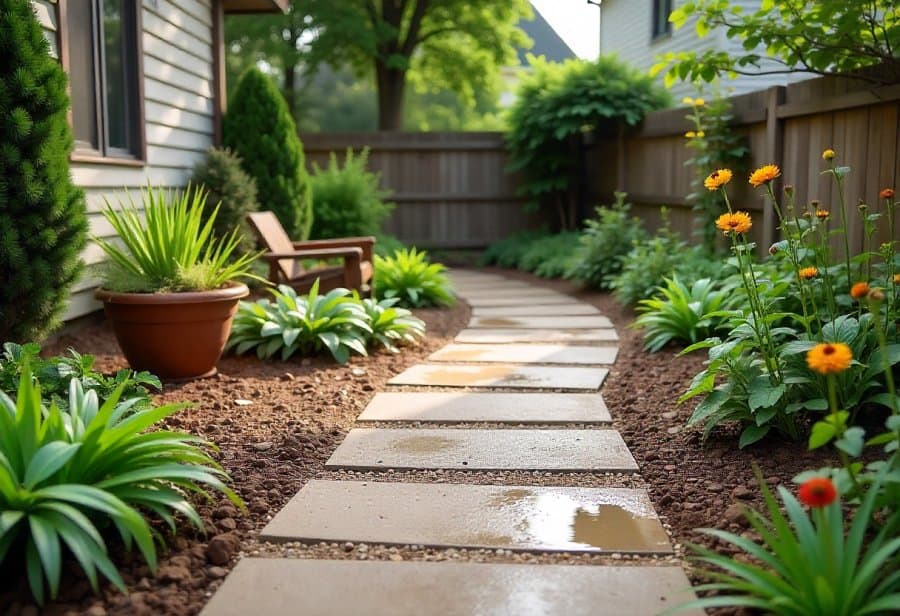
Transforming Urban Flood Management with Permeable Pavers
Urban flooding has become a pressing concern as cities grow more crowded and extreme weather events become more common. Conventional drainage systems often struggle to keep up during heavy rainfalls, leading to streets flooding, water pooling in parking lots, and even water seeping into buildings. These issues are more than just inconvenient—they can cause property damage, disrupt daily life, and pose health risks due to contaminated water. With climate patterns shifting and urban areas expanding, finding smarter ways to manage stormwater is more urgent than ever.
That’s where permeable pavers step in. Unlike traditional concrete or asphalt, these surfaces are designed to let rainwater pass through them and seep into the ground below. This natural process reduces runoff, which is a major cause of urban flooding. By allowing water to infiltrate rather than flow off surfaces, permeable pavers take the pressure off overwhelmed stormwater systems during storms, helping to prevent street flooding and pooling.
Beyond flood control, permeable pavers support groundwater recharge and improve water quality. As rainwater filters through their porous surfaces, pollutants like oils, sediments, and metals are captured and removed. This natural filtration keeps urban waterways cleaner and healthier, benefiting ecosystems and local water supplies. Cities adopting permeable paving turn streets and public spaces into more resilient, eco-friendly environments.
Permeable paving also enhances urban aesthetics and community appeal. With a variety of designs and materials, these surfaces can be integrated into sidewalks, plazas, and parking lots without sacrificing visual attractiveness. They provide a practical, sustainable solution that transforms ordinary spaces into vibrant, green areas that encourage outdoor activity and community pride.
As cities face more frequent and intense storms, permeable pavers offer a proactive way to build resilience. They help mitigate flood risks, support water conservation efforts, and contribute to healthier urban ecosystems. Installing permeable surfaces is a straightforward step toward smarter, more sustainable urban planning, creating communities that are better prepared for the climate challenges ahead.
In essence, permeable pavers aren’t just about managing water—they’re about transforming urban landscapes into safer, greener, and more adaptable spaces. By embracing this technology, cities can reduce flooding, improve water quality, and foster vibrant, resilient communities ready to face the future.
From Gravel to High-Tech: The Evolution of Permeable Paving
The development of permeable paving technology has its roots in efforts to create more sustainable urban infrastructure. Back in the early days, communities and engineers experimented with simple solutions like gravel layers and permeable concrete to reduce runoff and prevent flooding. These basic systems provided affordable, effective ways to slow water flow and protect streets during storms, laying the groundwork for more advanced solutions.
As environmental awareness grew, so did the push for materials that offered better performance and longer durability. Permeable concrete and porous asphalt emerged as promising options, mimicking natural water absorption and allowing rain to infiltrate the ground while filtering pollutants. This shift reflected a broader move toward integrating ecological principles into city planning, emphasizing harmony between urban development and natural water cycles.
Modern permeable pavers built upon these early innovations, introducing interlocking designs and specialized joint materials that enhance permeability without sacrificing strength. Advances in materials science, such as recycled aggregates and eco-friendly asphalt mixes, improved sustainability and cost-efficiency. Today’s systems are modular, making installation and maintenance more straightforward, and adaptable to various urban needs—from parking lots to pedestrian pathways.
Key milestones in this evolution include the widespread adoption of porous concrete and asphalt in the late 20th century, which provided scalable solutions to flooding and water management challenges. Industry standards, like those from ASTM, helped ensure consistent quality across projects. The introduction of interlocking concrete pavers with permeable joints marked a significant breakthrough, combining aesthetic flexibility with functional benefits.
These innovations have transformed how cities approach water management, shifting from traditional, impervious surfaces to smarter, greener infrastructure. They paved the way for urban landscapes that reduce flood risks, support groundwater recharge, and improve water quality, all while maintaining visual appeal. This history underscores a continuous commitment to balancing functionality with environmental responsibility.
Today, permeable paving continues to evolve, driven by technological advances and changing climate realities. Researchers explore new materials, including self-cleaning surfaces and adaptive systems, aiming to further extend durability and reduce maintenance. As cities face more extreme weather events, these developments will be vital for creating resilient, sustainable urban environments.
This ongoing innovation highlights permeable paving’s crucial role in future-proofing cities. From basic gravel paths to sophisticated, high-performance systems, the journey reflects a shared goal: building urban spaces that work with nature rather than against it. The evolution of permeable paving proves that sustainable infrastructure is not just possible but essential for thriving, resilient communities.
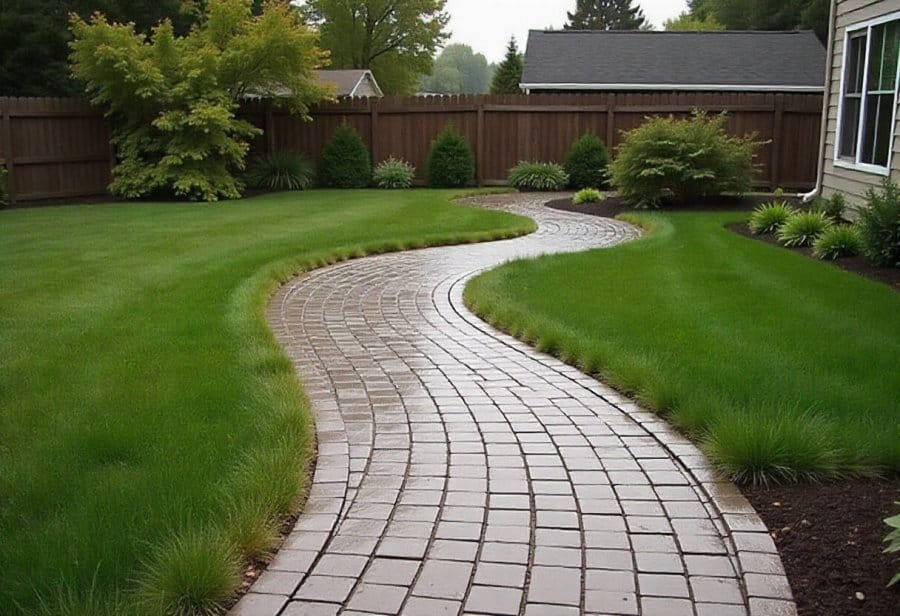
Permeable Pavers Today: Innovation in Urban Water Solutions
Today, permeable pavers are widely adopted across urban environments worldwide, transforming how cities handle stormwater. They are commonly used in parking lots, sidewalks, plazas, and low-traffic roads, especially in regions prone to heavy rainfall. Their ability to effectively absorb rainwater and prevent surface pooling makes them a go-to solution for sustainable urban development. Modern permeable pavers come in a variety of styles and materials, allowing cities to balance functionality with aesthetic appeal.
Installation techniques have advanced significantly, focusing on ease of maintenance and performance. Typically, a stable base of crushed stone or gravel supports the permeable surface, ensuring proper water flow and structural integrity. Proper joint filling with permeable gravel or specialized sand maximizes permeability and durability. This versatility enables permeable pavers to be tailored for high-traffic zones or pedestrian pathways, making them suitable for diverse urban settings.
Different regions adapt permeable paving solutions to their unique climatic and urban challenges. In flood-prone areas like Southeast Asia or the Pacific Northwest, designs prioritize high permeability and durable materials to handle frequent storms. European cities often emphasize aesthetics, seamlessly integrating permeable pavers into historic and modern landscapes. In arid regions such as the Middle East and southwestern U.S., these surfaces support groundwater recharge and water conservation efforts, with materials chosen for high temperatures and low rainfall.
Despite their growing popularity, some debate remains around cost-effectiveness and long-term durability. Although initial installation costs can be higher than traditional concrete or asphalt, many cities find that savings from reduced flood damage and stormwater management outweigh these expenses over time. Innovations in materials science—such as clog-resistant surfaces and easier maintenance—have addressed concerns, extending the lifespan and performance of permeable systems.
Regulatory policies and standards are increasingly influencing adoption rates. Many cities now promote or require green infrastructure solutions, particularly in flood-prone zones. These policies help embed permeable paving into broader urban planning strategies, encouraging developers and property owners to prioritize sustainable options. Conversely, regions with outdated regulations or limited awareness may see slower uptake, highlighting the need for updated codes and increased education.
Overall, the use of permeable pavers today reflects a shift toward more sustainable, resilient urban infrastructure. Their ability to reduce runoff, improve water quality, and enhance city aesthetics makes them a versatile and effective tool in modern water management. As climate challenges intensify, permeable paving stands out as a practical solution for creating smarter, more adaptive cities.
As cities continue to adopt more sustainable infrastructure, the benefits of permeable paving extend beyond stormwater management. They also play a crucial role in supporting groundwater recharge and water filtration, helping to sustain urban water supplies. For a deeper understanding of how permeable pavers promote groundwater recharge and water filtration, you can explore this detailed resource: Permeable pavers promote groundwater recharge and water filtration.
Real-World Benefits: How Permeable Pavers Enhance Communities
Permeable pavers deliver tangible benefits that extend beyond their environmental advantages, making them a practical choice for communities aiming for smarter water management. One of the most immediate impacts is their ability to significantly reduce urban flooding. During heavy rainfalls, these surfaces allow rainwater to naturally seep into the ground rather than overwhelming stormwater systems, which often struggle to handle sudden surges. This natural infiltration prevents water pooling on streets and in parking lots, protecting property and maintaining safer transportation routes.
In addition to flood prevention, permeable pavers contribute to healthier water quality. As water filters through their porous surfaces, pollutants like oils, sediments, and heavy metals are captured and removed before reaching groundwater or local waterways. This natural filtration process lessens urban pollution, supporting ecosystems and reducing health risks associated with contaminated water. Communities that implement permeable paving benefit from cleaner water sources, which become increasingly vital as urban pollution levels rise.
Beyond functionality, permeable pavers enhance urban aesthetics and community vibrancy. They are versatile enough to be integrated into sidewalks, plazas, and parking lots without sacrificing visual appeal. Modern designs and a wide range of materials allow cities to create attractive, eco-friendly spaces that encourage outdoor gathering and activity. This aesthetic flexibility can transform dull or neglected areas into lively, inviting environments, fostering community pride and social interaction.
Permeable paving also bolsters urban resilience amid climate change. By reducing runoff and promoting groundwater recharge, these surfaces help cities adapt to more frequent and intense storms. They minimize infrastructure stress, reduce property damage, and keep public spaces accessible during extreme weather events. This resilience supports long-term community stability and helps preserve property values, making permeable pavers a smart investment for future-proofing urban neighborhoods.
Lastly, permeable pavers contribute to a more sustainable urban footprint. They support water conservation efforts, improve air quality through reduced heat island effects, and promote greener, more livable cities. By integrating these surfaces into city planning, communities not only address immediate water management challenges but also lay the groundwork for healthier, more resilient futures. In essence, permeable pavers turn ecological benefits into everyday community assets, creating urban spaces that are safer, more attractive, and better prepared for the challenges ahead.
Transform Your Toronto Outdoors with Award-Winning Landscape Design
Discover how Toronto Landscape & Design can elevate your outdoor space with our comprehensive services, including natural stone installations, water gardens, irrigation systems, and retaining walls. Our award-winning designers take everything into consideration to craft a beautiful retreat tailored to your needs. Whether you’re looking to enhance your backyard or create a more functional landscape, we specialize in solutions that can reduce backyard flooding and boost curb appeal. Trust Toronto Landscpe to deliver expert professional landscaping that transforms your property into a stunning oasis. Contact us at https://TorontoLandscapeDesign.com or call 1.416.644.0499 to start your dream landscape today.
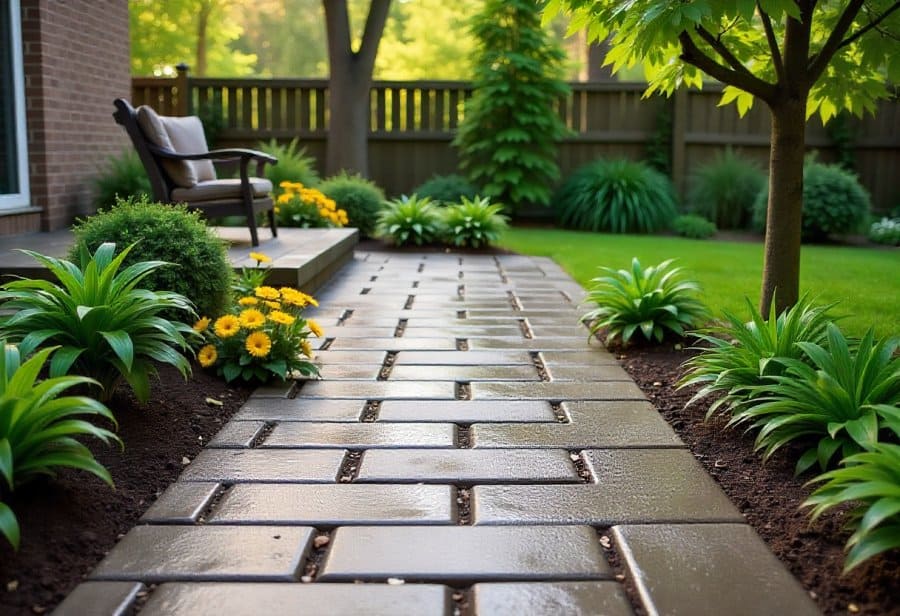
Paving the Future: Innovations and Opportunities in Permeable Infrastructure
Looking ahead, the future of permeable paving technology is promising, driven by ongoing innovations and a growing focus on sustainable urban development. Advances in materials science are delivering more durable, cost-effective options that can better withstand extreme weather and the wear of city life. These new solutions often incorporate recycled components and aim to reduce the carbon footprint of production, aligning with broader environmental goals. As climate change brings more unpredictable and intense storms, these innovations will be crucial in building resilient infrastructure that adapts to evolving conditions.
One of the most exciting prospects is the integration of smart technology into permeable systems. Sensors embedded within paving surfaces could monitor permeability levels, clogging, and structural health in real-time, enabling proactive maintenance and reducing long-term costs. Linking these systems to wider stormwater management networks could create a more responsive urban water system, helping cities react swiftly during heavy rainfall and minimize flooding risks.
Policy support will also play a key role in expanding permeable paving adoption. Many municipalities are updating regulations and standards to promote green infrastructure, especially in flood-prone areas. These policies can make permeable pavers more accessible and financially viable, encouraging widespread use in new developments and renovations. Public awareness campaigns and educational efforts will further boost demand, as communities recognize the benefits of flood prevention, water quality improvement, and urban beautification.
Research continues to explore innovative materials and design techniques, such as self-cleaning surfaces and adaptive systems that respond to environmental conditions. These advancements could significantly reduce maintenance needs and extend the lifespan of permeable pavers, making them even more attractive for diverse applications. As these technologies mature, they will help overcome remaining challenges related to durability and upkeep.
Permeable paving is increasingly viewed as a vital component of integrated urban water management. When combined with green roofs, rain gardens, and other eco-friendly infrastructure, permeable surfaces contribute to a comprehensive approach to reducing flooding and enhancing water quality. This holistic strategy fosters cities that are not only more resilient but also more livable and environmentally responsible.
Globally, the adoption of permeable paving systems has the potential to grow substantially, especially in developing cities where flood risks are high. International collaboration and knowledge sharing will accelerate innovation and implementation, helping cities worldwide develop resilient and sustainable communities. The momentum behind these solutions reflects a shared commitment to creating urban spaces that work harmoniously with natural systems.
The evolution from simple gravel paths to sophisticated, high-performance surfaces demonstrates a clear dedication to innovation that balances functionality with environmental stewardship. As cities face increasing climate challenges, permeable pavers offer a practical, adaptable solution. Investing in these systems today paves the way for healthier, safer, and more resilient urban environments tomorrow.
Continued advancements and supportive policies will be essential in mainstreaming permeable paving as a core element of sustainable infrastructure. Embracing these solutions now will help cities manage water more effectively, reduce flooding risks, and promote greener, more adaptable communities for generations to come. The journey toward widespread adoption is underway, and its potential to transform urban landscapes is both significant and inspiring.