Behind every safe and reliable home lies the skilled craftsmanship of electricians who transform chaos into dependable power systems. Their meticulous planning, precise wiring, and adherence to safety standards ensure that modern homes run smoothly amidst an ever-evolving landscape of smart technology and energy efficiency. How do these professionals master complex blueprints and navigate tight spaces while guaranteeing safety? From installing conduit to troubleshooting faults, electricians rely on specialized tools and comprehensive training to build infrastructure that withstands the test of time. Their ongoing education, certification, and commitment to embracing innovations—like smart home integrations and advanced safety devices—are crucial for future-ready homes. As the demand for safer, more connected living grows, electricians remain vital in balancing tradition with technological progress. Their expertise not only powers our daily lives but also safeguards our homes against unseen risks, raising the question: how will they continue to innovate in a world demanding both safety and sophistication?
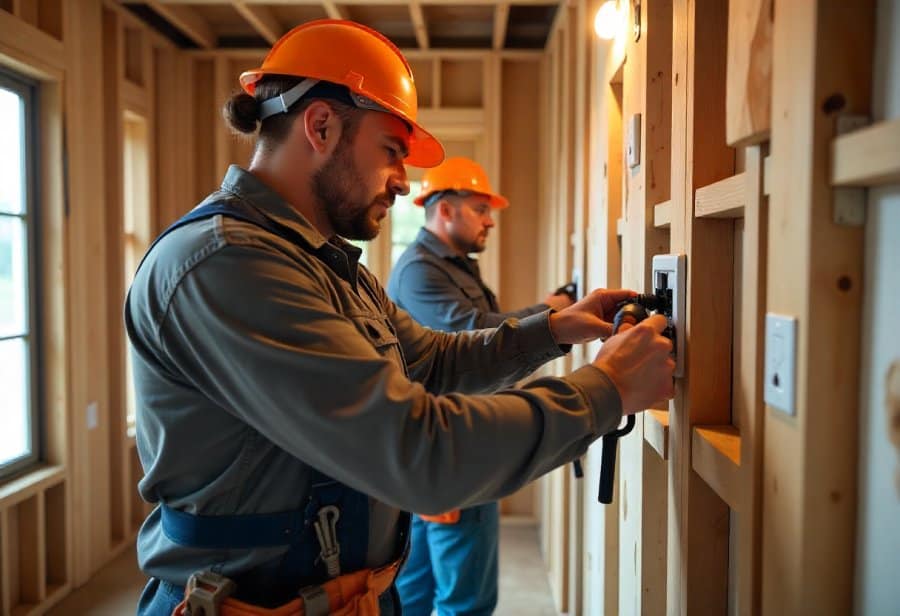
Electricians: The Unsung Heroes Ensuring Safe, Reliable Homes
Electricians are the unsung heroes behind the safety and functionality of our homes’ electrical systems. Their work ensures that everything from lighting to appliances operates smoothly and safely, providing peace of mind for homeowners. Without their expertise, the modern conveniences we rely on daily wouldn’t function reliably or securely. Electricians don’t just connect wires—they design and install systems with precision, aiming for longevity and adaptability to our increasingly connected lifestyles.
As homes become smarter and more energy-efficient, the role of electricians grows even more critical. They translate complex blueprints into real-world wiring that meets strict safety standards, ensuring the infrastructure can handle current and future demands. Proper wiring and system planning help prevent hazards like overloads or short circuits, which could otherwise pose serious risks to residents and property.
The tools electricians use are vital to their craft. From wire strippers and voltage testers to conduit benders, each piece of equipment helps create secure and reliable connections. These tools allow electricians to navigate tight spaces, organize wiring neatly, and verify that every circuit functions correctly. Their ability to troubleshoot quickly and fix issues before they escalate keeps homes powered safely and efficiently.
Safety is at the core of every step they take. Electricians stay up-to-date with the National Electrical Code and local regulations, applying these standards diligently. Proper grounding, appropriate circuit breaker ratings, and thorough testing are non-negotiable to prevent shocks and fires. Their attention to detail during installation and inspection ensures the long-term safety and durability of the electrical system.
Beyond just installing wiring, electricians are problem solvers. When electrical issues arise, they systematically diagnose faults—checking connections, testing circuits, and inspecting components—to identify the root cause. This proactive approach prevents small problems from turning into costly repairs or dangerous situations, maintaining the home’s safety and reliability.
Their work transforms chaotic wiring plans into organized, dependable systems that support modern living. By combining technical skill with a focus on safety, electricians turn complex blueprints into safe, efficient power networks. Their expertise underpins the comfort and security we often take for granted, ensuring that safe, reliable power is always within reach.
In today’s evolving home environment, electricians are more essential than ever. Their ability to adapt to new technologies, like smart home systems and energy-efficient solutions, ensures homes remain safe and future-ready. Through meticulous planning, precise installation, and ongoing maintenance, electricians keep our homes powered without compromise, making sure our daily lives stay connected and secure.
Foundations of Electrical Systems: Building Safety, Efficiency, and Longevity
Electrical systems in homes are built on fundamental principles that have evolved over decades to prioritize safety, efficiency, and longevity. At their core, these systems are designed to deliver power from the utility grid—via a main service panel—to various outlets, switches, and fixtures throughout the house. Understanding how these components fit together helps clarify how electricity powers our daily lives without chaos or risk. Key elements include circuit breakers, wiring, outlets, and switches, all working in harmony to create a controlled, reliable flow of electricity.
Electricians need a solid grasp of how voltage, current, and resistance interact within a residential system. This knowledge guides their decisions on wiring routes, component ratings, and safety measures. Over time, wiring techniques have advanced from simple methods like knob-and-tube systems to modern, code-compliant networks that incorporate grounding and circuit protection. This evolution reflects a continuous push toward safer, more reliable electrical infrastructure capable of handling the increasing demands of modern appliances and smart devices.
The main service panel acts as the hub, where power enters from the utility and branches out into individual circuits protected by circuit breakers. These breakers prevent overloads and short circuits, safeguarding both people and property. From there, wires run through conduits or cables into walls, ceilings, and floors, connecting to outlets, switches, and fixtures. Electricians carefully plan these pathways to optimize safety, accessibility, and future upgrades, ensuring every connection is rated correctly and grounded according to standards.
Tools and techniques are essential for creating these systems. Electricians rely on wire strippers, voltage testers, conduit benders, and other specialized equipment to ensure each connection is precise and secure. Proper use of these tools helps prevent mistakes like damaging wires or creating loose connections, both of which can lead to hazards. Verifying circuits with testers before energizing them is a simple yet critical safety step that electricians never overlook, helping to ensure systems are both safe and functional.
Following safety standards is non-negotiable at every stage of wiring. Electricians stay current with the National Electrical Code and local regulations, applying these guidelines diligently. Proper grounding, appropriate circuit breaker ratings, and correct wire sizing are essential for preventing shocks and fires. Regular inspections and thorough testing confirm that all connections meet safety standards before energizing the system, guaranteeing long-term reliability and peace of mind for homeowners.
Elevate Your Home with Expert Electrical Services in Greater Toronto Area
North York Electricians (NYE) is your premier choice for comprehensive Professional electrical installation and residential electricians serving the Greater Toronto Area. Specializing in residential wiring, lighting design, and upgrades, NYE ensures your home is both functional and stylish. Our services include installing and configuring smart switches, thermostats, security systems, and home automation to enhance convenience and security. We also focus on upgrading to eco-friendly LED lighting, energy-saving panels, and sustainable electrical solutions to promote energy efficiency. Whether you need electrical repairs or troubleshooting, our team is dedicated to delivering top-tier home wiring service and lighting and electrical service. Call us today at 416-508-0206 or visit our website to discover how NYE can transform your home with expert electrical craftsmanship.
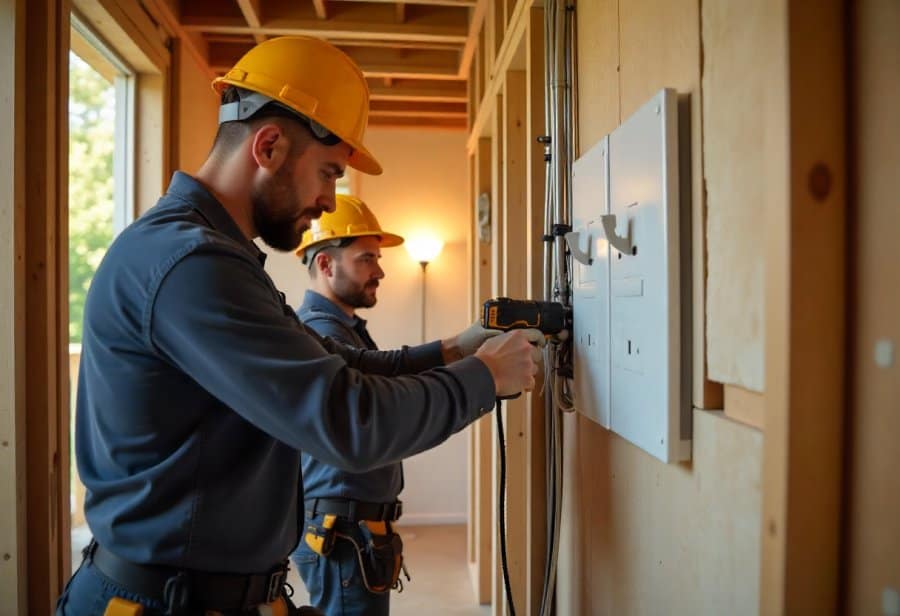
Step-by-Step: How Electricians Create Safe, Efficient Wiring and Systems
Wiring and system installation is a precise process that begins well before any wires are laid. Electricians start by thoroughly reviewing detailed house plans, carefully mapping out where outlets, switches, and fixtures will go. This planning ensures that wiring routes are optimized for safety, accessibility, and future upgrades. With the blueprint in hand, they proceed to install conduit or run cables through walls, ceilings, and floors, often using tools like fish tapes and conduit benders to navigate tight spaces and keep wiring organized.
Before making any connections, electricians verify that all power sources are turned off. They use voltage testers and multimeters to confirm circuits are de-energized, which is a critical safety step. When wiring, they connect wires to outlets, switches, and fixtures with precision, ensuring each connection is tight and secure. Proper connections prevent loose wiring, which could cause overheating or short circuits later on. They also install circuit breakers and grounding systems, essential components that protect against overloads and shocks.
Throughout the installation, adherence to safety standards and building codes guides every decision. Electricians follow the guidelines set by the National Electrical Code (NEC) and local regulations, making sure each component—such as grounding and breaker ratings—is correctly installed. Before energizing the system, they conduct thorough testing, checking each circuit with testers to ensure everything functions properly and safely. Catching issues early through this testing helps prevent costly repairs or hazards down the line.
Wiring isn’t just about making connections; it’s about creating a system that’s safe, reliable, and easy to maintain. Electricians organize wires logically, label circuits clearly, and leave space for future upgrades. They consider the home’s evolving needs, leaving room for additional outlets or different configurations, which can save time and money later. When working in complex scenarios, such as tight spaces or multiple circuits, their technical expertise and problem-solving skills keep the project on track, ensuring compliance with all safety requirements.
Once wiring is complete, electricians perform comprehensive inspections and tests. They verify that all connections meet safety standards, address any loose wires or faulty connections, and confirm the system is properly protected. Only after these checks do they energize the system, confident that it will operate smoothly and safely. This final step transforms a carefully planned layout into a dependable power source that supports daily life, highlighting the electrician’s role in turning chaos into reliable comfort.
Ensuring compliance with established safety standards is crucial for electricians. For more information on the essential safety protocols and best practices, you can explore the Electrical safety standards and codes for residential wiring. This knowledge helps electricians deliver not only efficient but also safe and compliant electrical systems for homeowners.
Pathway to Expertise: Training, Apprenticeships, and Certification for Electricians
Becoming a licensed electrician involves a structured journey that combines classroom education with hands-on experience. Most aspiring electricians begin their path at technical schools or community colleges, where they learn essential topics like electrical theory, safety practices, and local building codes. This foundational knowledge prepares them to handle real-world wiring projects with confidence and competence.
After completing their coursework, many enter apprenticeship programs sponsored by unions or trade organizations. These programs blend paid on-the-job training with classroom instruction, allowing apprentices to gain practical skills under the supervision of experienced electricians. During this phase, they learn to install wiring, troubleshoot faults, and understand system layouts in residential settings, building the expertise needed for independent work.
To advance toward full certification, apprentices must accumulate a set number of supervised work hours, which are carefully documented. Once they meet this requirement, they must pass licensing exams that test their knowledge of electrical principles, safety standards, and local regulations. Passing these exams confirms they are qualified to work independently while maintaining safety and compliance.
The licensing process doesn’t end there. Given the rapid evolution of technology and safety standards, electricians need ongoing training to stay current. Many jurisdictions require continuing education or certification updates, which help professionals keep pace with innovations like smart home systems, energy-efficient solutions, and new safety devices. This continuous learning ensures electricians are equipped to handle emerging challenges and incorporate the latest best practices into their work.
Maintaining certification also involves adhering to industry standards and participating in regular inspections or renewals. Electricians who stay updated with the latest codes and technologies can troubleshoot more effectively, prevent hazards, and deliver higher-quality work. Their commitment to ongoing education fosters professionalism and builds trust with clients, who rely on their expertise to keep homes safe and functional.
The pathway to becoming a professional electrician is not a one-time achievement but a continuous process of learning, skill-building, and adapting. This dedication ensures that those working on residential wiring projects possess the necessary knowledge and standards of safety to turn complex plans into reliable, long-lasting systems. It’s a journey rooted in a commitment to safety, quality, and service—one that underpins the safety and comfort of every home they work on.
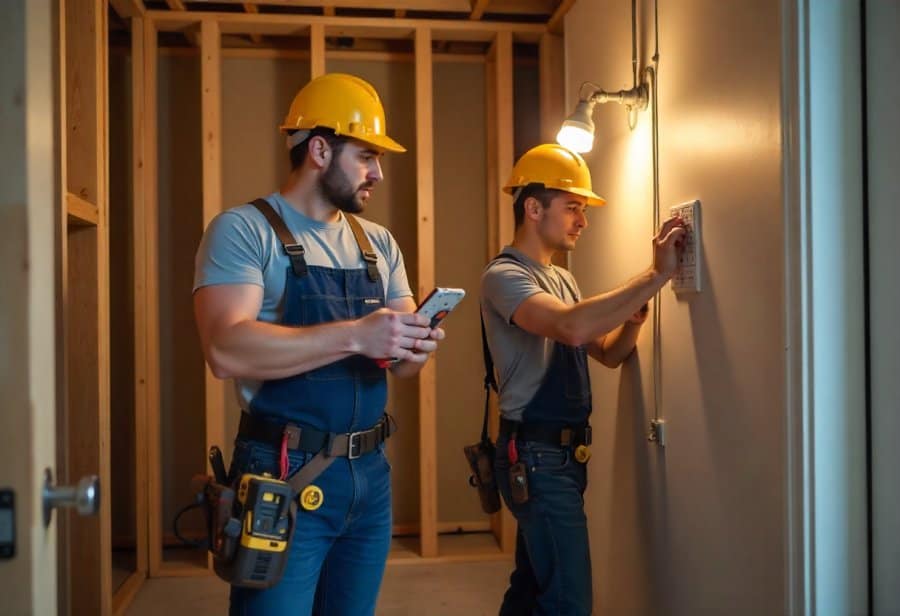
Shaping the Future: Innovations and Trends in Residential Electrical Safety
As residential electrical safety continues to advance, electricians are embracing new technologies that make homes safer and more efficient. Devices like arc-fault and ground-fault interrupters have become standard, actively reducing the risk of fires and shocks. Staying current with these innovations allows electricians to deliver systems that meet modern safety standards while supporting the increasing number of connected devices and energy-saving solutions in our homes.
Ongoing education and certification play a crucial role in maintaining high safety standards. As new tools and systems emerge, continuous training helps electricians stay ahead of evolving codes and best practices. This commitment ensures they can troubleshoot complex issues, incorporate smart technologies, and implement energy-efficient solutions safely. Homeowners benefit from working with professionals who are well-versed in the latest safety features, giving them peace of mind that their homes are protected.
Looking to the future, the landscape of residential wiring will be shaped by smarter, more integrated systems. Home automation, energy management, and renewable energy sources like solar power are pushing electricians to expand their expertise in digital networks, cybersecurity, and energy storage. Adapting to these changes requires a blend of traditional skills and new technological insights, ensuring that electricians can meet homeowners’ expectations for convenience, safety, and sustainability.
Regulations are also poised to become more rigorous, emphasizing preventive measures such as real-time system monitoring and automated safety shutdowns. These innovations aim to shift the focus from reactive repairs to proactive safety, reducing hazards before they materialize. Electricians will need to stay agile, continuously updating their knowledge to incorporate these advancements into their work, ultimately making homes safer and more resilient.
Despite rapid technological progress, the core principles of meticulous planning, precise installation, and thorough testing remain vital. Electricians who uphold these fundamentals while embracing innovation will continue to transform complex wiring concepts into reliable, safe systems. Their expertise and adaptability are key to building homes that are not only connected but truly secure, prepared for the demands of the future. This ongoing balance between tradition and innovation ensures that every home remains a safe haven for its residents.